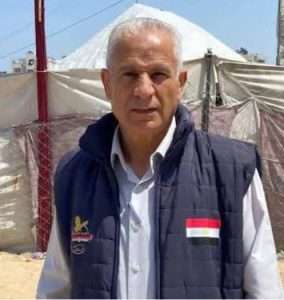
At Rest

Vahid Sayadi Nasiri (1980–2018) was an Iranian human rights activist and political prisoner known for his opposition to the Islamic Republic. A constitutional monarchist, he was imprisoned for social media posts criticizing Iran's leadership. Arrested in 2015, he was sentenced to eight years in prison for insulting Supreme Leader Ali Khamenei. After serving two and a half years, he was released but rearrested in 2018. Transferred to Qom's central prison, he protested poor conditions and lack of legal protection by going on a hunger strike. After 60 days without food, he was taken to a hospital, where he died on December 12, 2018.
Early Life and Activism
Vahid Sayadi Nasiri was born on August 27, 1980, in Iran. While details about his early life and education remain scarce, he became known as a vocal opponent of the Islamic Republic, advocating for constitutional monarchy and political change. He used social media to criticize Iran’s government, particularly Supreme Leader Ali Khamenei and state policies.
First Imprisonment (2015-2018)
In September 2015, Iranian authorities arrested Nasiri for his social media activity. He was charged with "insulting the Supreme Leader" and "propaganda against the state." The court sentenced him to eight years in prison. During his imprisonment, he reportedly faced mistreatment, harsh prison conditions, and abuse. After serving two and a half years, he was released early but remained under surveillance.
Re-arrest and Hunger Strike (2018)
In July 2018, authorities detained him again, citing similar charges. This time, he was held in Qom’s central prison, a facility known for its poor conditions. Protesting his imprisonment and the lack of legal rights, Nasiri began a hunger strike. For 60 days, he refused food, demanding better conditions and justice. His health deteriorated severely, yet authorities failed to intervene in time.
Death and Legacy
On December 5, 2018, he was transferred to Shahid Beheshti Hospital in Qom. After a week in critical condition, he passed away on December 12, 2018. His death drew international condemnation from human rights organizations, highlighting Iran’s treatment of political prisoners. Nasiri's case remains a symbol of resistance against Iran’s suppression of free speech and political dissent.
Starvation
Died on hunger strike.
Nasiri was charged with insulting the Supreme Leader of Iran's Islamic Republic.
Surviving relatives of political prisoners like Vahid Sayadi Nasiri often make emotional pleas for justice, accountability, and international intervention. While specific statements from Nasiri’s family may not be widely documented, families in similar situations typically call for: Accountability for Authorities – Relatives demand justice for the wrongful imprisonment and mistreatment of their loved ones, urging international human rights organizations to hold the Iranian government accountable. Awareness and Advocacy – Families seek to raise awareness about political repression and inhumane prison conditions, often appealing to global media and activists to share their stories. Condemnation of Injustice – Many relatives express frustration over the lack of legal protection and due process, criticizing the Iranian judiciary for silencing dissent. Prevention of Future Tragedies – Families of deceased prisoners often call for reforms to prevent other activists from suffering similar fates, advocating for the protection of political prisoners. If you’re looking for specific statements or pleas from Nasiri’s family, I can check recent sources for any documented appeals. Let me know how you'd like to proceed!
This record exists so that Vahid Sayadi Nasiri, and all who are named in this archive, are never reduced to a number.
More lives from the archive.