At Rest
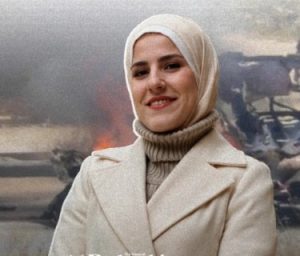
Taraneh Mousavi (1981–2009) was a young Iranian woman who became a symbol of the brutal repression faced by protesters in the aftermath of the 2009 Iranian presidential election. She was arrested during the protests against the disputed election results, which saw Mahmoud Ahmadinejad declared the winner. It is reported that after her arrest, Taraneh was subjected to severe physical and sexual abuse while in custody. She later died under mysterious circumstances, with some reports suggesting that she was found with a ruptured womb and anus, injuries allegedly resulting from sexual assault. The Iranian government initially attempted to suppress information about her death, and there were conflicting reports regarding her identity and the circumstances surrounding her body. Her case gained significant international attention, highlighting the regime's brutal treatment of protesters, especially women.
Early Life: Taraneh Mousavi was born in 1981 in Iran. Not much is known about her early life, but she was a young woman who became involved in the political climate of Iran, particularly during the 2009 presidential elections. She reportedly participated in the mass protests that erupted in response to the controversial election results, which many believed were rigged in favor of incumbent Mahmoud Ahmadinejad.
Arrest and Abuse: On June 28, 2009, Taraneh Mousavi was arrested during a protest near the Ghoba mosque in Tehran. The details of her participation in the protest remain unclear, but it is widely believed that she was involved in demonstrations against the election results. After her arrest, Mousavi was reportedly transferred to Evin prison, where she was subjected to severe physical and sexual abuse.
Accounts from several Iranian blogs and human rights websites suggest that Taraneh was tortured during her time in custody. She was later transferred to Imam Khomeini Hospital in Karaj, where she was reportedly treated for serious injuries, including a ruptured womb and anus, which were allegedly the result of sexual assault. Despite being critically injured, she remained unconscious for some time.
Death and Controversy: A few weeks after her arrest, her mother received an anonymous call informing her of Taraneh's hospitalization. The call suggested that the injuries were caused by an "unfortunate accident," which added to the confusion surrounding her death. In July 2009, some blogs reported that a burned body matching Taraneh's description had been found in the desert between Karaj and Qazvin. The Iranian government reportedly attempted to suppress the details of her death, instructing her family to remain silent. Despite these efforts, the case gained international attention, with many questioning the government's role in her death.
International Reaction: Taraneh Mousavi’s tragic story became a powerful symbol of the brutality of the Iranian government’s response to protests. In the United States, politicians, including Senator John McCain, condemned the Iranian authorities, accusing them of torturing and murdering a young woman in an attempt to suppress dissent. The incident highlighted the violent repression of political opposition and the lack of accountability within the Iranian regime.
Her death became part of the broader international narrative on human rights abuses in Iran, particularly in relation to the treatment of women and political prisoners. It also shed light on the government's tactics to silence opposition voices and intimidate those involved in pro-democracy activism.
Controversy and Doubts: There has been considerable doubt about the veracity of the reports surrounding Taraneh Mousavi’s death. Mehdi Jami from Newsbann raised concerns about the lack of evidence supporting the accounts from Iranian blogs. Critics argue that the inconsistent details about her injuries and the burned body found in the desert cast doubt on the narrative.
Despite the conflicting reports, many believe that the Iranian government’s response to her death, including the suppression of evidence and information, points to a cover-up of her treatment in custody and the circumstances of her death.
Legacy: Taraneh Mousavi’s case remains one of the most haunting examples of gendered violence and state repression in Iran. She became a symbol of the suffering endured by women and protesters under the regime’s authoritarian rule. Her image was included in Roger Waters' The Wall film, which highlighted the stories of victims of political violence. Taraneh’s death, though surrounded by uncertainty, serves as a reminder of the human cost of political repression and the regime's efforts to silence dissent.
In the years following her death, human rights organizations continued to demand accountability for the abuses she suffered and the lack of justice for her case. Despite the controversy surrounding her death, her story remains a powerful testament to the resilience of those who stand up against oppressive regimes.
killed
Tortured, raped, burned, and killed by the Iranian Police and Basij
protesting the 2009 election
The surviving relatives of Taraneh Mousavi, particularly her mother, reportedly faced significant challenges and pressure from authorities following her death. After learning of her daughter’s hospitalization, Taraneh’s mother sought answers regarding the circumstances of her daughter’s injuries. However, the authorities provided limited information, and in some accounts, her family was reportedly advised to keep silent about the incident. In one instance, the Iranian government allegedly pressured the family to remain quiet about the details surrounding her death. The exact pleas from her relatives are not widely documented due to the sensitivity of the situation and the potential risks involved in speaking out against the regime. However, it is reported that Taraneh’s mother, in particular, expressed deep sorrow and frustration, seeking justice and clarity about her daughter's fate but was confronted with a wall of silence and possible intimidation. Despite the lack of official support, Taraneh Mousavi’s death became a symbol of resistance, and the family, though silenced by fear, was supported by the international community and human rights advocates who demanded accountability for her death.
This record exists so that Taraneh Mousavi, and all who are named in this archive, are never reduced to a number.
More lives from the archive.