At Rest
Robert Sánchez was a 42-year-old fisherman from the coastal village of Güiria on Venezuela’s Paria Peninsula. Born into a fishing family, he left school as a teenager and followed in his father’s footsteps, spending nearly three decades mastering the region’s currents, winds, and nighttime navigation. Known locally as one of the peninsula’s most skilled boat pilots, Sánchez earned only about $100 a month fishing for snapper, kingfish and dogfish. As a father of four struggling to support his family, he dreamed of saving enough money to buy a 75-horsepower boat engine so he could operate his own vessel. Economic collapse in Sucre state and lack of viable opportunities eventually pushed him, like many others, into accepting occasional work for drug traffickers who needed experienced pilots to navigate the dangerous waters between Venezuela and Trinidad.Sánchez
Robert Sánchez grew up in Güiria, a seaside community shaped by poverty, long-term economic decline, and proximity to Caribbean smuggling routes. From a young age he embraced fishing, the trade that sustained his family for generations. Over the years he earned a reputation for his near-intuitive ability to handle open-hulled skiffs at night without instruments—skills that made him valuable both to local fishermen and, eventually, to drug-running crews seeking reliable pilots. Despite being regarded as one of the best in the region, he remained financially trapped, never earning enough to buy his own motor and often using most of his meager income to feed his children. The collapse of fishing plants, industry, and public services in Sucre state left residents with few choices other than migration or illegal trade. Like many, Sánchez accepted a smuggling job not out of criminal ambition, but out of economic desperation and a desire to someday secure a stable livelihood for his family. His final trip came after he told his mother he would be gone only “a couple of days,” unaware it would be his last.
Robert Sánchez was killed when a U.S. military strike destroyed the boat he was crewing during an alleged drug-smuggling mission.
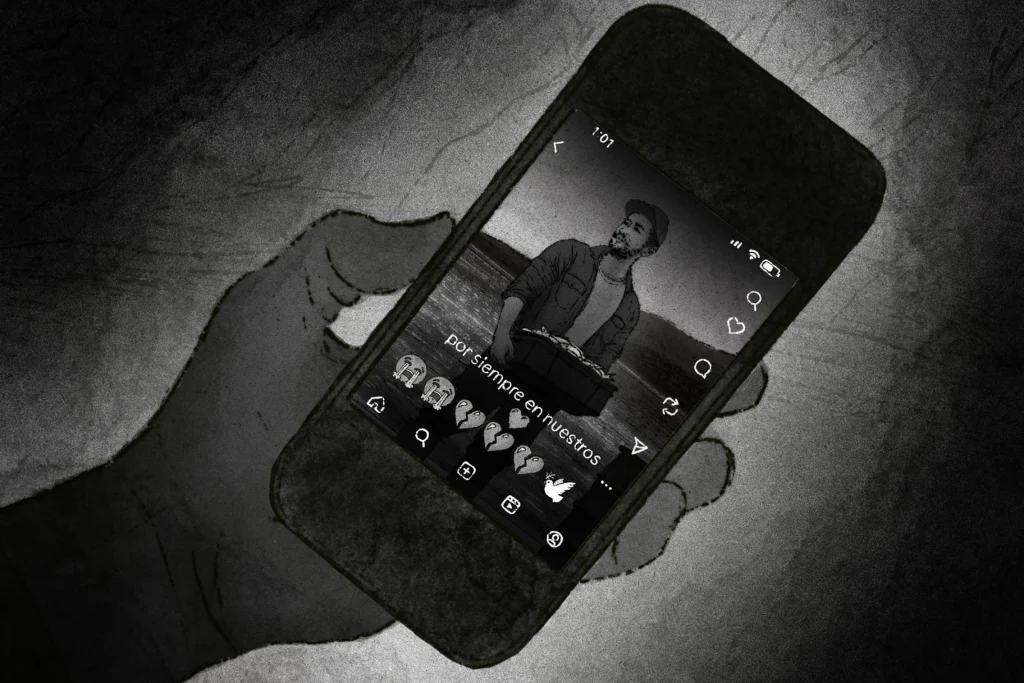
According to the AP investigation, Sánchez was aboard an open-hulled fishing skiff used by traffickers when the U.S. military—acting under the Trump administration’s policy of treating drug-running vessels as targets in an “armed conflict” with cartels—launched a missile strike against the boat. The explosion obliterated the vessel and killed all aboard. Relatives learned of his death through social media clips showing the destruction of a boat believed to be the one he was on. Because Venezuelan authorities restricted information and provided no confirmation, his family relied on community reports and the fact that he stopped responding to calls and messages.
Sánchez’s relatives expressed confusion, anguish, and frustration over his death, saying the U.S. government should have intercepted and arrested him rather than killing him outright. His mother had to be carefully informed only after taking her blood pressure medication. His youngest son, a third-grader, repeatedly asked if his father might have survived the explosion and could still be somewhere at sea, struggling for days to accept that he was gone. Relatives and villagers felt the men were killed without due process, noting that in the past such vessels were interdicted and crews were sent to court rather than executed.
This record exists so that Robert Sánchez, and all who are named in this archive, are never reduced to a number.
More lives from the archive.