At Rest
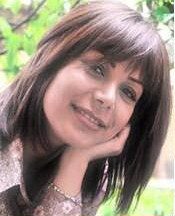
Neda Agha-Soltan (1983–2009) was an Iranian philosophy student and aspiring musician who became a symbol of the 2009 Iranian election protests. While observing a demonstration in Tehran, she was fatally shot in the chest, an act widely attributed to a member of the Basij paramilitary forces. Her death, captured on video and spread online, became a rallying cry for opposition to President Mahmoud Ahmadinejad’s disputed re-election. Though not deeply political before the protests, she joined demonstrations out of frustration with the election results. Her tragic killing drew global condemnation and made her a lasting symbol of resistance in Iran.
Early Life and Education
Neda Agha-Soltan was born on January 23, 1983, in Tehran, Iran, as the middle child in a middle-class family. Her father was a civil servant, and her mother was a homemaker. She studied at Islamic Azad University but left after two semesters due to both personal and institutional pressures, particularly regarding university dress codes and regulations.
Agha-Soltan had a deep passion for music and took private lessons in violin and singing. At the time of her death, she had an undelivered piano on order. She worked at her family’s travel agency and had aspirations of becoming a tour guide in Turkey, for which she was learning Turkish. In Turkey, she met her fiancé, Caspian Makan, a photojournalist and filmmaker, and developed an interest in photography.
Political Awareness and Protests
Before the 2009 Iranian presidential election, Agha-Soltan was not politically active and did not publicly support any candidate. However, after the controversial re-election of President Mahmoud Ahmadinejad, widespread allegations of fraud and repression fueled massive protests. Frustrated with the situation, she decided to join the demonstrations, though she was not formally affiliated with any opposition group.
Death and Global Impact
On June 20, 2009, Agha-Soltan and her music teacher, Hamid Panahi, were on their way to a protest in Tehran. Due to the heat and heavy traffic, she stepped out of her car to observe the demonstrations from a distance. Moments later, she was shot in the chest. Eyewitnesses reported that a Basij militiaman fired the fatal shot.
The video of her final moments, captured by bystanders, spread rapidly across the internet, shocking the world. Her death became a powerful symbol of government repression, sparking outrage and renewed protests. International leaders and human rights organizations condemned the Iranian government’s actions, and she was widely referred to as the "voice of Iran," a play on the meaning of her first name, "Neda."
Confusion Over Identity
Following her death, confusion arose due to the mistaken identity of another woman named Neda Soltani, whose Facebook photo was mistakenly circulated as Agha-Soltan’s image. The Iranian government used this error to spread disinformation, falsely claiming that Agha-Soltan’s death was staged. As a result, Neda Soltani was forced to flee Iran and seek asylum in Germany.
Legacy
Neda Agha-Soltan remains a symbol of courage, resistance, and the struggle for freedom in Iran. Her death galvanized global attention to human rights abuses in Iran, and she is remembered as a martyr of the Green Movement. Her story continues to inspire activists and remains a significant chapter in Iran’s modern political history.
Gunshot wound
participating in the 2009 presidential election protests
Surviving relatives of victims like Neda Agha-Soltan often make heartfelt pleas for justice, accountability, and international support. In her case, while specific public statements from her family are scarce, similar cases typically involve: Demand for Justice: Relatives call for accountability from the Iranian government for the unlawful killing of their loved ones and demand the prosecution of those responsible. Condemnation of Government Repression: Families often speak out against the state’s violent suppression of peaceful protests and urge the international community to hold Iran accountable for human rights abuses. Appeal for Global Attention: In many cases, surviving family members request global attention to prevent further violence against peaceful protesters and political dissidents in Iran. Hope for Change: Some surviving relatives express a desire for their loved ones' deaths to inspire change in Iran, highlighting the need for greater freedom and political reform. Neda’s family, like others, likely hoped that her death would lead to justice and a reduction in government violence toward citizens speaking out against oppression.
This record exists so that Neda Agha-Soltan, and all who are named in this archive, are never reduced to a number.
More lives from the archive.