At Rest
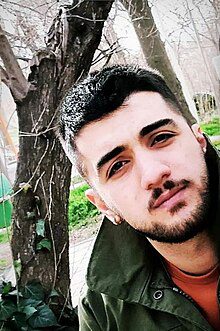
Early Life:
• Born November 2001 in Iran
• Iranian-Kurdish descent
• Promising karate athlete - 4th ranked on Iran's national team
• Won national championships, tattooed Olympic rings on arm
Arrest & Charges:
• Detained during 2022 Mahsa Amini protests
• Accused of killing a Basij militiaman in Karaj protests
• Charged with "corruption on Earth" (Fisad-e-filarz)
• Denied fair trial in Islamic Revolutionary Court
Key Trial Issues:
• No credible evidence presented
• Closed-door proceedings
• Limited access to legal defense
• Presided over by Judge Abolqasem Salavati (known for harsh sentences)
Execution:
• Hanged January 7, 2023 at age 21
• Executed alongside Mohammad Hosseini (another protester)
• Family's pleas for mercy ignored
• Body not returned to family for proper burial
Background
Age: 21 (executed January 7, 2023)
Nationality: Iranian-Kurdish
Occupation: Karate champion (former Iranian youth national team member)
Arrest Context: Detained during Mahsa Amini protests
Charges & Trial
Convicted of: Fisad-e-filarz ("corruption on Earth")
Alleged Crime: Involvement in killing a Basij militiaman during protests in Karaj (40th-day memorial of Hadis Najafi’s death)
Key Issues:
No credible evidence presented (per human rights groups)
Closed-door trial in Iran’s Islamic Revolutionary Court
Denied legal representation at key stages
Judge Abolqasem Salavati (notorious for harsh sentences) presided
Execution & Aftermath
Hanged alongside Mohammad Hosseini (39, volunteer children’s coach)
Family’s Pleas Ignored: Father begged for mercy in viral video
Global Condemnation: UN, Amnesty International, U.S. criticized "sham trial"
Broader Crackdown
Part of Iran’s mass execution threats against protesters
At least 43 protest-related death sentences confirmed (Dec. 2022)
Judicial Tactics:
Vague charges to confuse international response
Expedited executions to deter protests
Legacy
Symbol of Iran’s brutal suppression of dissent
Highlighted abuses in revolutionary courts
Sparked renewed calls for sanctions on Iranian judiciary officials
Quote from Father:
"He was an athlete, not a criminal. They took my son for a crime he didn’t commit."
Execution by hanging
Execution by hanging by Islamic Revolutionary Court system.
Mohammad Mehdi Karami was executed by hanging on January 7, 2023, under orders from Iran’s judicial system.
1. Father’s Public Appeals Viral Video Plea: Begged authorities in tears, "My son was an athlete, not a criminal!" Rejected Mercy Requests: Courts ignored family’s petitions for case review. Forced Silence: Threatened with arrest if he spoke to international media. 2. Mother’s Grief & Resistance Denied Final Goodbye: Prevented from seeing her son before execution. Grave Concealed: Authorities buried Karami in an unmarked location, refusing to disclose details. Ongoing Harassment: Security forces monitor her movements. 3. Family’s Unmet Demands ✔ Return of Body – For proper Islamic burial. ✔ Independent Investigation – Into torture and unfair trial. ✔ Accountability – For Judge Salavati and execution officials. 4. International Response UN Condemnation: Cited Karami’s case in reports on Iran’s protest crackdown. #StopExecutionsInIran: Global campaigns amplified by his family’s pleas. Quote from Brother (to BBC Persian): "They murdered Mehdi twice—first with the noose, then by erasing his memory."
This record exists so that Mohammad Mehdi Karami, and all who are named in this archive, are never reduced to a number.
More lives from the archive.