Losing a loved one in war or a major conflict is an immeasurable sorrow that no words can truly describe. The grief that follows can be overwhelming, leaving families in deep pain, confusion, and sometimes anger. However, healing is possible, and this guide aims to provide comfort and support during this difficult time.
Understanding Your Grief
Grief is a deeply personal experience, and there is no right or wrong way to feel. Some emotions you may encounter include:
- Shock and disbelief – Struggling to accept the reality of the loss.
- Anger – Feeling resentment towards the circumstances, those involved, or even towards your lost loved one.
- Guilt – Wishing you had done something differently or questioning why they had to go.
- Deep sadness – An intense feeling of emptiness and despair.
- Fear and anxiety – Worrying about the future without them.
All of these emotions are normal, and you are not alone in feeling them.
Coping with the Pain
- Allow Yourself to Grieve – Do not suppress your emotions. Let yourself cry, talk about your loved one, and express your pain in a healthy way.
- Seek Support – Surround yourself with family, friends, or support groups who understand what you are going through.
- Honor Their Memory – Create a tribute such as a memory book, a special ceremony, or a charity initiative in their name.
- Engage in Self-Care – Take care of your physical and mental health by eating well, resting, and engaging in gentle activities like walking, meditation, or journaling.
- Seek Professional Help if Needed – If grief feels unbearable, consider speaking with a grief counselor or therapist.
The Role of Faith, Religion, and Community
For many, faith and spirituality provide a source of comfort and guidance in times of grief. If you are religious or spiritual, consider the following:
- Prayer and Meditation – Connecting with your faith can bring peace and help process emotions.
- Seeking Guidance from Religious Leaders – Many religious leaders offer counseling and support to those grieving.
- Participating in Faith-Based Gatherings – Attending religious services, support groups, or memorials can create a sense of belonging and healing.
- Community Support – Engaging with a faith-based community or local organizations can offer emotional and practical assistance during your time of loss.
Finding Meaning After Loss
Losing a loved one in war is often tied to feelings of injustice, sacrifice, and purpose. Finding meaning does not mean forgetting but rather carrying their legacy forward. Some ways to do this include:
- Sharing their story with others.
- Participating in veterans’ or remembrance organizations.
- Helping others who have experienced similar losses.
- Engaging in causes that your loved one believed in.
Moving Forward with Love
Grief never completely disappears, but in time, it transforms. Instead of focusing on the pain of loss, you can begin to cherish the love and memories shared. Healing does not mean forgetting; it means learning to live with the loss while continuing to love.
You are not alone in this journey. Allow yourself to heal at your own pace, and know that love endures beyond loss.
Add your name to the plea for accountability.
Stand with the families demanding truth, protection, and an end to the violence that takes their loved ones.
Sign the Petition →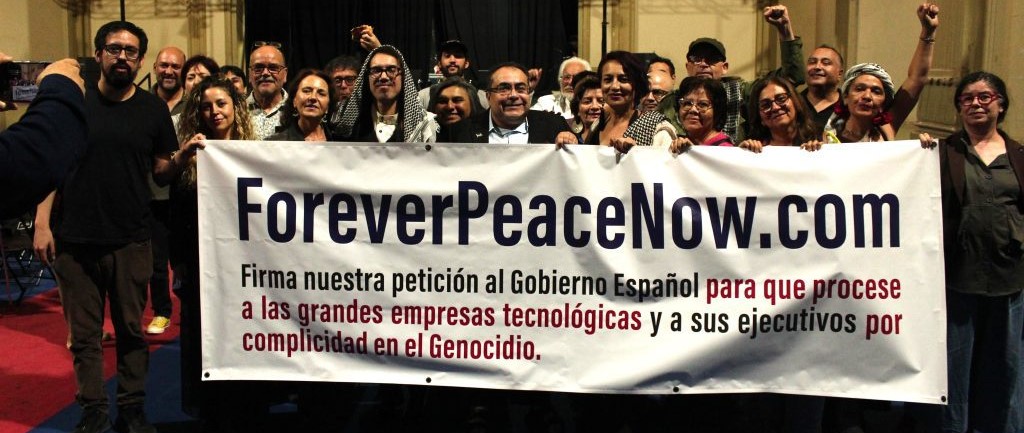 Supporters rally behind the petition for accountability.