At Rest
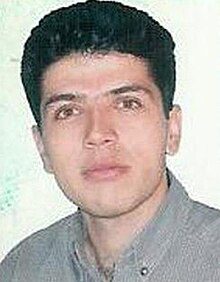
Farzad Kamangar (1975-2010) was an Iranian Kurdish teacher, poet, and human rights activist executed on dubious terrorism charges. Despite international outcry and a complete lack of evidence, he was convicted of "enmity against God" in a 5-minute sham trial. His prison letters became powerful testaments to educational justice and ethnic rights in Iran. Kamangar's case remains emblematic of Iran's suppression of Kurdish activists and teachers' rights movements.
Early Life & Activism:
Born in Kamyaran, Kurdistan Province
Worked as a teacher in underserved Kurdish regions
Advocated for Kurdish cultural rights and educational access
Wrote poetry and journalism highlighting ethnic discrimination
Unjust Prosecution:
Arrested in 2006, accused of PJAK membership and pipeline bombings
Convicted without evidence in 2008 after 5-minute "trial"
Endured severe torture including electrocution and flogging
Supreme Court upheld death sentence despite protest from:
Amnesty International
Education International
UN human rights experts
Prison Resistance:
Wrote inspirational letters to students from prison
Participated in hunger strikes protesting executions
His final letter: "Teach your children to be offspring of poems and rain"
Execution & Legacy:
Hanged secretly with 4 others on May 9, 2010
Global vigils and teacher protests followed
Prison letters published internationally
Symbol of:
Iran's persecution of Kurds
Crackdown on teacher activists
Flawed revolutionary court system
Key Quote:
"Is it possible to carry the heavy burden of being a teacher... and keep quiet?" - From prison letter
His case continues to be cited in UN reports on Iran's human rights violations. Would you like details about specific letters or international responses?
Execution by Islamic Republic of Iran
An Islamic Revolutionary Court sentenced Kamangar to death
Farzad Kamangar’s family endured relentless persecution following his unjust execution in 2010. Despite international condemnation, Iranian authorities silenced their demands for justice. Key Appeals & Persecution: Brother’s Defiance & Imprisonment Kamangar’s brother publicly denounced the sham trial, calling it "a judicial murder." He was arrested multiple times for demanding accountability. Family Forced into Silence Relatives were threatened to stop speaking to media. Authorities confiscated Kamangar’s writings and personal belongings. Denied a Proper Burial The regime refused to return his body, burying him secretly to prevent memorials. Security forces blocked public mourning, arresting those who gathered. Ongoing Harassment Family members faced travel bans, job dismissals, and surveillance. His mother was repeatedly interrogated for commemorating his death. Unanswered Demands: Independent investigation into his torture and execution. Return of his remains for a dignified burial. Release of his prison letters, still suppressed by the state. Legacy: Kamangar’s family remains a symbol of resistance, still fighting for truth in the face of state repression.
This record exists so that Farzad Kamangar, and all who are named in this archive, are never reduced to a number.
More lives from the archive.