At Rest
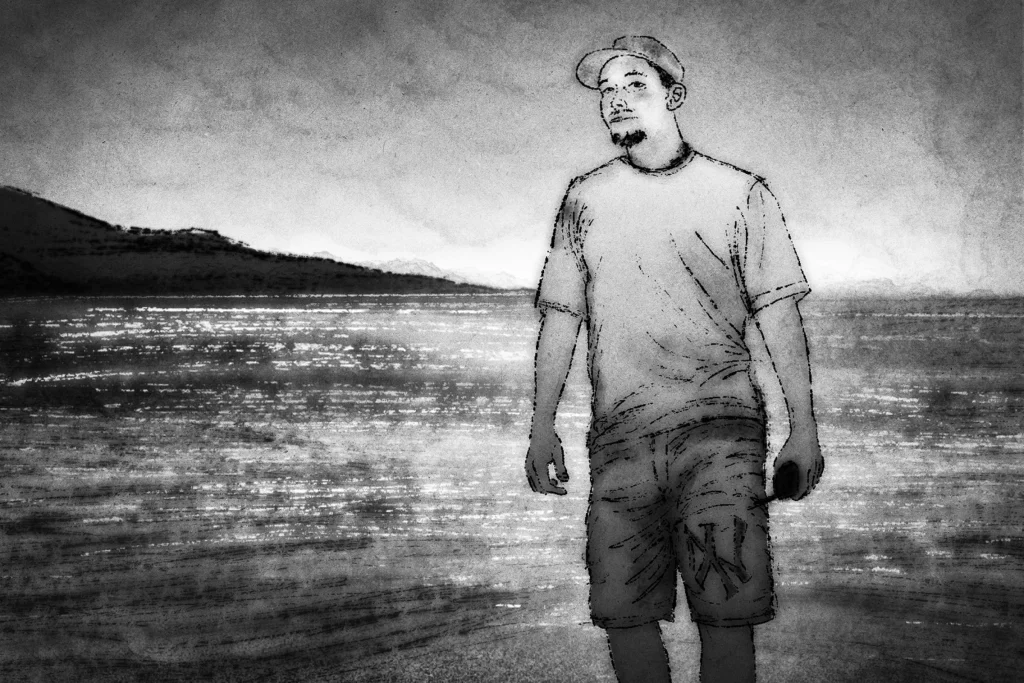
Dushak Milovcic was a 24-year-old Venezuelan from the Paria Peninsula who became involved in smuggling after leaving the country’s National Guard Academy. Drawn by the thrill and the promise of quick cash, he initially worked as a lookout for traffickers before being promoted to crew member on drug-running boats, despite having no real experience at sea. His life reflected the economic desperation of his region, where poverty, unemployment, and the collapse of local industries pushed many young men into dangerous maritime smuggling work.
Milovcic grew up along Venezuela’s northeastern coast at a time when economic conditions were deteriorating sharply. Although he enrolled in the National Guard Academy, he eventually dropped out, seeking income and excitement that the military could not provide. He entered the local smuggling networks as a lookout, a common starting role for young men in the region’s informal criminal economy. His willingness to take risks and his desire for fast money earned him a place on drug-running boats—one of the most lucrative but dangerous positions available. Like many novice recruits hired in recent months, he lacked maritime experience but was brought in because more seasoned traffickers were avoiding the sea due to U.S. military strikes. His involvement in smuggling was not rooted in long-term criminality but rather in the limited economic choices of the Paria Peninsula, where collapsing infrastructure, failing industries, and widespread poverty left few alternatives for survival.
He was killed when the U.S. military struck and destroyed the boat on which he was serving as part of a smuggling crew.
Milovcic died during a U.S. missile strike targeting a suspected drug-trafficking vessel. Under the Trump administration’s new policy declaring drug-running crews “unlawful combatants,” U.S. forces began treating these vessels as military targets rather than criminal operations to be interdicted. The boat Milovcic was aboard was identified as part of a trafficking route carrying cocaine from Venezuela toward Caribbean islands. When U.S. forces fired on the vessel, it exploded, killing all crew members, including Milovcic. His death reflects the shift in U.S. policy from capture to lethal force, leaving no opportunity for arrest or due process.
This record exists so that Dushak Milovcic, and all who are named in this archive, are never reduced to a number.
More lives from the archive.