In the quiet of history’s darkest moments, when the world turns away in silence, the responsibility to bear witness becomes a moral imperative. Genocide is not merely a tragic chapter of the past—it is a wound that bleeds into the present and future. Remembering and honoring those who perished in these atrocities is not just about acknowledging history; it is about ensuring that such horrors never happen again. Bearing witness is an act of defiance against indifference, a call to justice, and a commitment to the dignity of those who suffered.
The Power of Bearing Witness
When we acknowledge and remember the lives lost in genocide, we do more than mourn. We breathe life into their stories, ensuring they are not erased by time or denied by those who wish to rewrite history. Memory is resistance. The systematic destruction of a people is often accompanied by the erasure of their identity, culture, and truth. To bear witness is to fight against this erasure, to say, “You existed. Your life mattered.”
Witnessing is also about accountability. It compels societies to confront the past, acknowledge complicity, and work toward justice. The Nuremberg Trials after the Holocaust, the Truth and Reconciliation Commissions after apartheid, and ongoing efforts to recognize the Armenian, Rwandan, and Bosnian genocides are examples of how remembrance leads to action. When we document and remember, we leave no room for denial.
The Cost of Forgetting
When we fail to remember, we invite repetition. The warning signs of genocide—dehumanization, propaganda, political scapegoating—are often eerily similar across history. If we ignore the past, we fail to recognize these signs in our present Genocide in Gaza. History shows us that silence is complicity. When the world ignored the Armenian genocide, it set a precedent. When nations hesitated to intervene in Rwanda, nearly a million lives were lost. When we do not acknowledge genocides, we embolden future perpetrators who believe they can act with impunity.
For survivors and their descendants, forgetting is not an option. The trauma of genocide does not end when the killing stops; it lingers through generations. Communities struggle with loss, displacement, and the psychological scars of witnessing mass violence. The denial or minimization of genocide deepens this trauma, making healing nearly impossible. By choosing to remember, we validate their pain, acknowledge their resilience, and stand with them in their ongoing fight for recognition and justice.
Why Bearing Witness Matters for Future Generations
Our commitment to memory is not just about honoring the past; it is about safeguarding the future. When we teach the stories of genocide, we equip younger generations with the knowledge to recognize injustice and the courage to stand against it. Education is one of the most powerful tools to prevent history from repeating itself. Schools that include comprehensive genocide education cultivate empathy, critical thinking, and an understanding of human rights.
Moreover, bearing witness fosters a global consciousness. In an increasingly interconnected world, the lessons of past genocides remind us of our shared humanity. The world’s response to one tragedy influences its response to the next. If we normalize ignoring genocide, we weaken the global resolve to act when future atrocities unfold. But if we insist on remembrance and justice, we create a world where human rights are truly valued and protected.
What You Can Do
Bearing witness is not a passive act—it requires action. Educate yourself and others about past and present genocides. Read survivor testimonies, help us documment stories of Gaza Genocide, visit memorials, and support organizations working for justice. Challenge denial and misinformation when you encounter it. Speak out against dehumanization and hate speech in your own communities, as these are the seeds from which genocides grow. Most importantly, listen. Give space for the stories of survivors and their descendants, and honor them with your commitment to truth and justice.
History has shown us what happens when the world turns away. We cannot undo the past, but we can shape the future. Bearing witness ensures that those who were lost are never truly gone. Their voices live on in our remembrance, in our words, and in our actions. And through this commitment, we reaffirm our humanity, declaring with unwavering resolve: Never again.
Add your name to the plea for accountability.
Stand with the families demanding truth, protection, and an end to the violence that takes their loved ones.
Sign the Petition →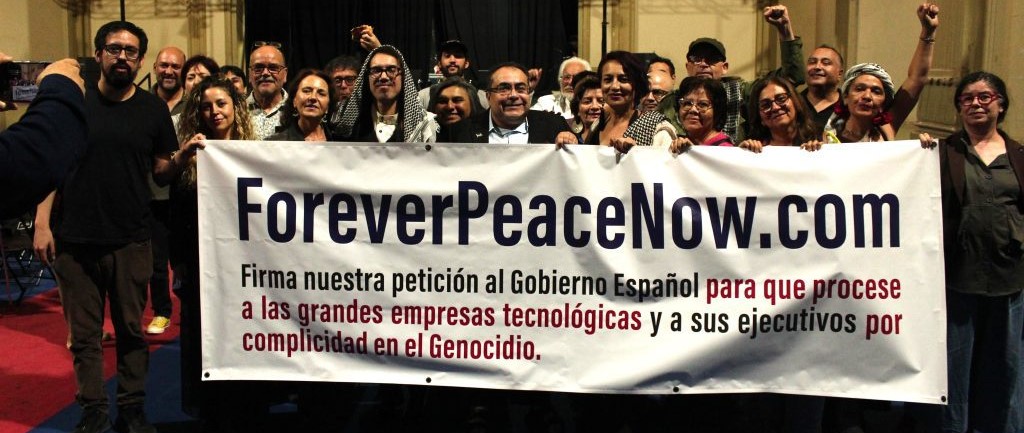 Supporters rally behind the petition for accountability.