At Rest
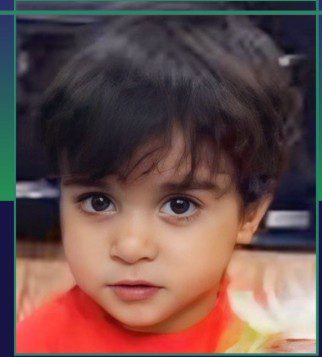
Bahar was a three-year-old child living with her family in Neyshabur, Razavi Khorasan province, Iran. She was killed on 9 January 2026 during the violent crackdown on nationwide protests. Despite her young age and civilian status, she was fatally shot in the head amid heavy security force operations. Following her death, Iranian authorities withheld her full identity and subjected her family to coercion, forcing her father to make a public statement supporting false official narratives that denied state responsibility.
Bahar was only three years old when her life was cut short during one of the deadliest phases of Iran’s protest repression in January 2026. She lived in Neyshabur, a city in northeastern Iran, at a time when security forces were using live ammunition, metal pellets, and military-style tactics against civilians.
On 9 January 2026, Bahar was shot in the head. Amnesty International documented her killing as part of a wider pattern of unlawful lethal force used against protesters and bystanders, including women and children. Rather than conducting a transparent investigation, Iranian authorities launched a campaign to deflect blame. State media broadcast propaganda videos concerning her death, falsely attributing responsibility to unnamed “terrorists.”
Bahar’s father was filmed delivering a statement under apparent coercion, with an off-camera voice prompting him on what to say. Authorities refused to release Bahar’s full name, a tactic widely used to suppress documentation and accountability for child victims. Her killing has become a symbol of the indiscriminate nature of the crackdown and the extreme measures used to silence grieving families.
Gunshot wound to the head.
Bahar was killed by a bullet to the head during security operations carried out amid the nationwide protest crackdown. Amnesty International reports indicate that Iranian security forces were using live ammunition during this period. Following her death, authorities did not acknowledge responsibility and instead broadcast coerced statements and propaganda videos blaming her killing on “terrorists,” a claim Amnesty International considers part of a systematic cover-up of unlawful killings.
Bahar’s father was forced to make a public statement on state media in which he repeated official claims absolving security forces of responsibility. An off-camera voice was heard prompting him on what to say, indicating coercion. Amnesty International reports that the family was subjected to intimidation and psychological pressure, and authorities have continued to withhold full information about the case. No free or voluntary public plea from the family has been possible due to fear of reprisals.
This record exists so that Bahar Hosseini, and all who are named in this archive, are never reduced to a number.
 instagram.com
Bahar Hosseini, a 3-year-old child in Neyshabur, was killed by the repressive forces of the Islamic Republic of Iran during the nationwide protests of January 2026.
Read at source →
instagram.com
Bahar Hosseini, a 3-year-old child in Neyshabur, was killed by the repressive forces of the Islamic Republic of Iran during the nationwide protests of January 2026.
Read at source →
More lives from the archive.