At Rest
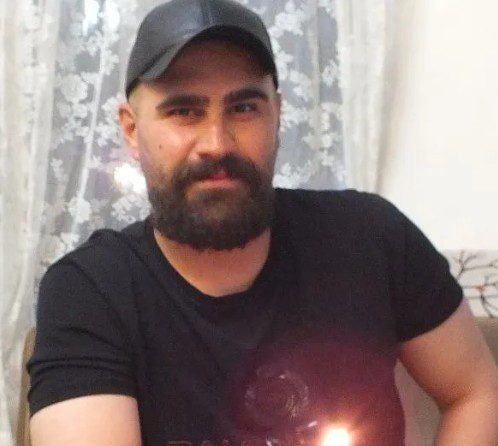
Ali Amir-Aslani was a 30-year-old resident of Tehran who worked as a motorcycle courier. On January 8, 2026, he was shot in the leg by Iranian security forces during protests on Salsabil (Roudaki) Street. Despite being taken to Loghman Hakim Hospital with the help of civilians, he died from severe hemorrhaging and insufficient medical attention. His family later opposed state efforts to portray him as a “martyr,” insisting he was killed by government gunfire
Ali Amir-Aslani earned his living as a motorcycle courier in Tehran, a job common among the city’s working class and marked by long hours and financial instability. Outside of work, he pursued bodybuilding professionally and was deeply passionate about football, especially Esteghlal FC, one of Iran’s most popular teams.
On the evening of January 8, 2026, amid unrest in central-west Tehran, Ali was shot in the leg with live ammunition fired by Islamic Republic forces on Salsabil Street, a densely populated area known for frequent street protests. Bleeding heavily, he was assisted by nearby citizens and transported to Loghman Hakim Hospital. According to informed sources, security pressure inside hospitals often delays or obstructs proper treatment of wounded protesters. Ali died from severe blood loss and inadequate medical care.
His body was transferred to Tehran’s central morgue in Kahrizak and identified by his family on January 10. He was buried on January 12 at Behesht-e Zahra cemetery. In the weeks following his death, state institutions repeatedly contacted his parents to label him a “martyr,” a move the family firmly rejected.
Ali Amir-Aslani was killed as a result of state violence during street-level protests in Tehran. He was shot with live ammunition by Islamic Republic security forces and later died due to severe bleeding and lack of timely medical care.
Ali Amir-Aslani sustained a critical gunshot wound to the leg, causing massive blood loss. Although he reached Loghman Hakim Hospital alive, informed sources report that medical treatment was delayed or insufficient, a pattern previously documented in cases involving wounded protesters. The combination of the gunshot injury and failure to provide urgent care led to his death.
The family rejected government attempts to label Ali Amir-Aslani a “martyr.”
This record exists so that Ali Amir-Aslani, and all who are named in this archive, are never reduced to a number.
More lives from the archive.