At Rest
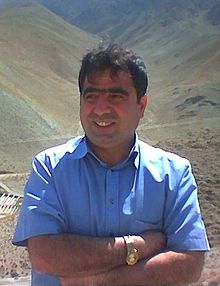
Akbar Mohammadi (May 30, 1969 – July 30, 2006) was an Iranian student and pro-democracy activist involved in the July 1999 student protests, also known as the 18th of Tir crisis, which were Iran's largest pro-democracy demonstrations since the 1979 Islamic Revolution. Mohammadi died under suspicious circumstances in Evin prison after being subjected to torture and denied medical treatment, sparking widespread international condemnation.
Background and Imprisonment
Akbar Mohammadi was born in Amol, a city in northern Iran, to Muhammad Mohammadi. He had a brother, Manuchehr, and a sister, Simin. Mohammadi was a student at Tehran University when the 1999 student protests erupted. These protests were sparked by a crackdown on student activists and grew into a larger movement demanding greater political freedoms and democratic reforms in Iran.
In the aftermath of the protests, Manuchehr Mohammadi was arrested and accused of playing a leading role in the protests. Akbar, allegedly arrested due to his connection to his brother, was reportedly sentenced to death for his involvement in the protest activities. However, following an appeal in November 2000, his sentence was reduced to seven years' imprisonment.
Despite this reduction, Akbar was later handed an additional two years in prison for giving interviews to foreign media and making political statements. The Mohammadi family was initially unaware of Akbar and Manuchehr’s whereabouts, and once they found out about their arrests, both their father, Muhammad, and sister, Simin, began to lobby on their behalf. Unfortunately, both were also arrested and sent to Evin prison, where Simin was reportedly beaten before her father.
Death in Prison
On July 30, 2006, Akbar Mohammadi died in Evin prison after having been on a hunger strike for over a week. Reports indicated that the hunger strike was a protest against the authorities’ refusal to provide him with medical treatment for injuries he had suffered due to torture. His lawyer, Khalil Bahramian, confirmed that fellow detainees had reported that Akbar had been severely beaten by prison guards in the days leading up to his death.
Despite his serious injuries, Akbar was reportedly denied proper medical care. His death was officially attributed to suspicious circumstances by human rights organizations. Human Rights Watch called for an independent investigation into his death, citing concerns about the treatment of prisoners of conscience in Iran. The death of Akbar Mohammadi ignited widespread international condemnation. On August 3, 2006, Human Rights Watch and hundreds of leading Iranian personalities and groups demanded that the Iranian government conduct an impartial investigation into the circumstances surrounding his death.
Legacy and Impact
Akbar Mohammadi’s death was a stark example of the Iranian government’s harsh treatment of political prisoners and the lengths to which the regime would go to silence dissent. His case helped draw global attention to the **repression of student activists and the broader movement for democracy and human rights in Iran. Akbar Mohammadi's sacrifice remains an emblem of resistance, and his death continues to be remembered by human rights groups and pro-democracy advocates.
died in Evin prison for heavy torture.
Akbar Mohammadi died on July 30, 2006, in Evin Prison, under highly suspicious circumstances. His cause of death was linked to torture, denial of medical treatment, and a hunger strike he had been on for over a week. Here’s a more detailed breakdown of the events leading to his death:
Torture and Beatings:
In the days leading up to his death, Akbar Mohammadi was severely beaten by prison guards. According to reports from fellow inmates, Mohammadi had visible signs of the beatings, including bruises and wounds, which indicated he had been subjected to physical abuse. His injuries were reportedly left untreated, worsening his condition.
Hunger Strike:
In protest of his treatment in prison, particularly the refusal to provide medical care for the injuries he sustained, Mohammadi went on a hunger strike. His decision to stop eating was a direct response to the authorities' negligence and denial of medical attention. Despite his deteriorating health, the authorities refused to provide him with proper care, which exacerbated his physical condition.
Denial of Medical Treatment:
One of the key factors contributing to Akbar Mohammadi’s death was the refusal of the Iranian authorities to provide him with medical treatment. His torture-induced injuries required immediate medical attention, but the prison officials ignored his pleas. The lack of treatment contributed to his physical decline, and the authorities’ failure to address his medical needs ultimately led to his death.
Prison Conditions:
The harsh conditions in Evin Prison, known for holding political prisoners, also played a role in his deteriorating health. The overcrowding, inadequate healthcare, and poor living conditions made it difficult for Mohammadi to recover from his injuries. Additionally, the stress from his prolonged detention and the psychological toll of his imprisonment contributed to his weakened state.
died in Evin prison for heavy torture.
Following Akbar Mohammadi's arrest and subsequent death in Evin prison, his surviving relatives, particularly his father, Muhammad, and sister, Simin, became vocal advocates for justice. After discovering the arrest of both Akbar and his brother Manuchehr, they began to lobby for their release and better treatment. Their pleas and efforts, however, were met with further repression. When Muhammad and Simin attempted to secure their loved ones' release, they were arrested themselves and sent to Evin prison. Simin was reportedly beaten during this period, further illustrating the harsh conditions under which the family suffered. Despite this, their calls for justice continued, as they sought to bring attention to the torture and ill-treatment Akbar and Manuchehr faced in custody. While specific statements from Akbar’s family after his death are not widely documented, it is clear that their efforts were a crucial part of raising awareness about his abuse in prison and subsequent death. The family’s plight, coupled with the international outcry following Akbar’s death, played a role in shining a light on Iran’s treatment of political prisoners and activists.
This record exists so that Akbar Mohammadi, and all who are named in this archive, are never reduced to a number.
More lives from the archive.