At Rest
Shizuo Aishima was a Japanese businessman and executive of Ohkawara Kakohki, a company that manufactured industrial spray dryers. In March 2020, he was arrested along with three other executives on suspicion of illegally exporting equipment that prosecutors claimed could have military applications. His case drew significant attention after it was later proven that the charges were baseless. Tragically, Aishima passed away from stomach cancer in February 2021, just months before prosecutors dropped the indictments against him.
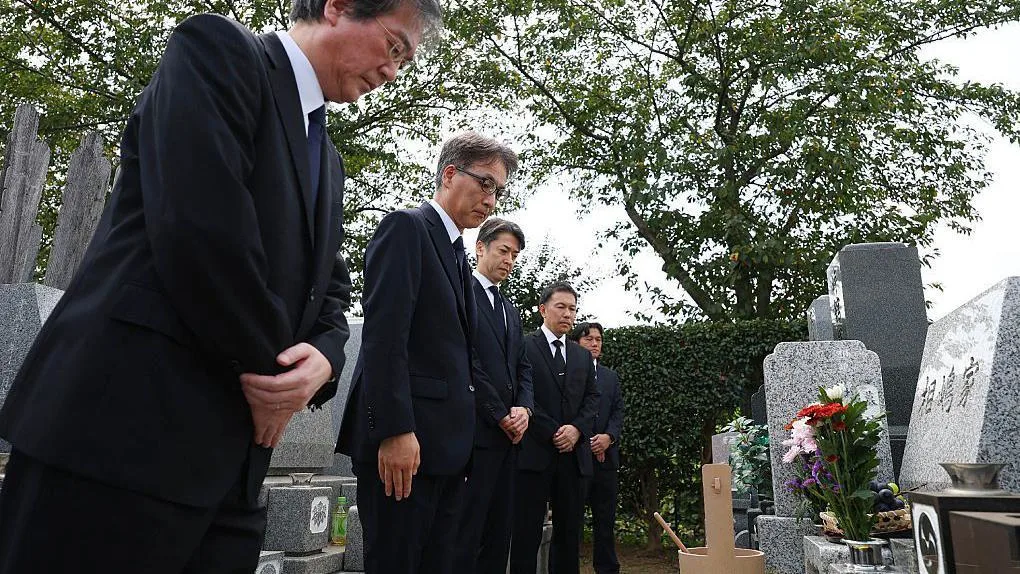
Shizuo Aishima dedicated his career to business and leadership within Ohkawara Kakohki, a company specializing in advanced industrial machines, including spray dryers that transform liquids into powders. In March 2020, he and three colleagues were accused of violating Japanese export laws due to the alleged potential military use of the machines. Aishima maintained his innocence, but despite repeated bail requests—eight in total—he was held in detention, limiting his access to necessary medical treatment. He developed stomach cancer and died in February 2021, before he could clear his name. In July 2021, prosecutors formally dropped the indictments, citing serious doubts about the accusations. His family later pursued justice through the courts, which ruled in September 2021 that the prosecution had acted illegally, awarding 166 million yen in compensation. Authorities formally apologized at his grave in Yokohama in 2025, though his family stated that they could not forgive those responsible for the ordeal.
Shizuo Aishima died of stomach cancer in February 2021, while still under indictment and after being repeatedly denied bail that would have allowed him better access to medical treatment.
Shizuo Aishima died from stomach cancer in February 2021. His prolonged detention, combined with repeated denials of bail, deprived him of timely and adequate medical treatment. Prosecutors later acknowledged that their actions had contributed to a serious human rights violation by limiting his access to healthcare, which may have worsened his condition and hastened his death.
Wife: She accepted the formal apology at his grave but clearly stated: “I accept the apology, but I will never forgive.” She expressed enduring pain and anger over the wrongful prosecution and the suffering it caused her husband. Eldest Son: He acknowledged the apology as a step forward but demanded a reinvestigation and reconsideration of disciplinary actions against those responsible, emphasizing that systemic reform was necessary. Family Lawyer (Tsuyoshi Takada): Representing the family, he stressed that the injustice was not the fault of a single judge, but rather a systemic problem in Japan’s “hostage justice” system that requires broad reform to prevent future victims.
This record exists so that Shizuo Aishima, and all who are named in this archive, are never reduced to a number.
More lives from the archive.