At Rest
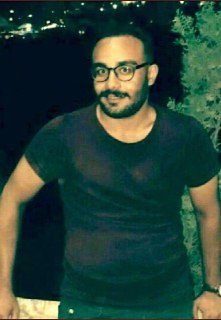
Name: Sina Ghanbari
Date of Birth: January 6, 1997
Date of Death: January 7, 2018
Age at Death: 23 years old
Place of Birth: Tehran, Iran
Cause of Death: Officially reported as suicide, but disputed by family and human rights organizations
Sina Ghanbari was born on January 6, 1997, in Tehran, Iran. As a young man, Ghanbari was drawn into the protests that swept across the country in late 2017 and early 2018. These protests were sparked by widespread discontent with the Iranian government's economic mismanagement, political repression, and violations of human rights. The protests, which began as a response to economic grievances, quickly evolved into a broader expression of dissatisfaction with the regime itself. Like many other young Iranians, Ghanbari was determined to voice his frustration with the political status quo, participating in demonstrations that demanded greater freedoms and reform.
Ghanbari’s activism was part of a broader movement of youthful defiance against a regime that had long suppressed dissent. However, his participation in the protests led to his arrest by Iranian security forces. His detention was part of a larger crackdown that saw thousands of protesters detained during the unrest, most of them young people, with many facing charges ranging from public disorder to more serious accusations such as "waging war against God" (moharebeh) or "corruption on earth" (mofsed-e-filarz).
Following his arrest, Sina Ghanbari was taken to Evin Prison, one of the most notorious detention centers in Iran, known for housing political prisoners and activists. He was placed in the quarantine section of the prison, where conditions are harsh and detainees are often subjected to mistreatment. On January 7, 2018, just days after his arrest, Ghanbari was found dead in his cell under mysterious circumstances. Iranian authorities initially claimed that he had died by suicide, citing that he had hung himself in the prison bathroom. However, this explanation was met with skepticism by many, as the marks on his body reportedly showed signs of torture, which contradicted the official account.
Following his death, there were multiple reports of irregularities surrounding his detention and death. Iranian lawmakers, including Mahmoud Sadeghi, voiced concern about the official version of events, suggesting that Ghanbari's death was more likely the result of mistreatment or even foul play. His family was not allowed to see his body immediately, and when they were finally allowed to bury him, they noticed signs of severe abuse, including bruises and marks that indicated he had been beaten. This further fueled suspicions that Ghanbari had been tortured and killed while in custody.
Sina Ghanbari's death was not an isolated incident but part of a broader pattern of state violence against protesters. The Iranian government has a long history of using torture, arbitrary detention, and executions to silence dissent. Ghanbari's tragic end highlighted the government's use of violence to stifle opposition, and his case became a focal point for human rights organizations, which condemned the Iranian authorities for their treatment of protesters and prisoners.
In response to his death, Ghanbari's family, particularly his mother, became outspoken advocates for justice. They demanded accountability from the Iranian authorities and called for an independent investigation into the circumstances of his death. Despite facing pressure from the regime, Ghanbari's mother took to social media to raise awareness about her son's case, sharing photos and memories of him to keep his memory alive and to highlight the injustice they had suffered.
The death of Sina Ghanbari sparked widespread outrage both within Iran and internationally. Human rights groups like Amnesty International and Human Rights Watch condemned the Iranian government's actions, calling for an end to the abuse of detainees and greater protections for political prisoners. His case, along with those of other victims of the Iranian government's repression, highlighted the urgent need for systemic reform in Iran's treatment of political activists and prisoners.
Sina Ghanbari’s death became a symbol of the broader struggle for human rights, freedom, and justice in Iran. His tragic end and the efforts of his family to seek justice have inspired countless individuals to speak out against the regime’s human rights abuses, ensuring that his memory and his fight for a better Iran will not be forgotten. His story remains an important reminder of the ongoing struggle for political freedoms in Iran and the brutal tactics employed by the Iranian government to suppress opposition.
Sina Ghanbari died under suspicious circumstances in Evin Prison, with authorities initially claiming suicide, though the cause remains disputed.
Sina Ghanbari was arrested during the 2017–2018 Iranian protests and tragically died under unclear circumstances in the quarantine section of Evin Prison on January 7, 2018.
He was arrested by the Iranian government’s police during the 2017–2018 Iranian protests.
This record exists so that Sina Ghanbari, and all who are named in this archive, are never reduced to a number.
More lives from the archive.