At Rest
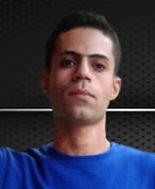
Sarou Ghahremani (1994–2018) was a 24-year-old Kurdish Iranian from Sanandaj who became a significant symbol of political repression in Iran following his tragic death in January 2018. Sarou participated in the 2017–2018 protests against the Iranian government's economic policies, political repression, and human rights violations. After his participation in these protests, he was detained by security forces. His family was unaware of his whereabouts for 11 days, during which he was allegedly tortured. On January 13, 2018, Sarou's family was informed of his death. Upon inspecting his body, they noticed signs of torture and abuse, leading to speculation that he was killed while in custody. The Iranian authorities maintained the claim that he died in an armed conflict, but this was widely disputed. Sarou's case drew international attention, with human rights organizations condemning the Iranian government's use of torture and extrajudicial killings to suppress dissent. Sarou’s mother, despite pressure from authorities, used social media to speak out about the injustice her son faced, highlighting the struggle for justice and human rights in Iran.
Sarou Ghahremani was born in 1994 in Sanandaj, a Kurdish-majority city in western Iran. He grew up in an environment marked by political unrest, where Kurds have long faced repression and marginalization by the Iranian state. Sarou was a young man with a passion for social justice and a desire to challenge the injustices he saw in his country. His involvement in the 2017–2018 protests was driven by the widespread dissatisfaction with the Iranian government's policies, including economic mismanagement, corruption, and political repression.
The protests began in December 2017, spurred by frustration over rising prices and lack of economic opportunities. They quickly grew into a larger movement that demanded political change and an end to government corruption. Sarou took part in these protests in Sanandaj, where he, like many others, voiced his anger at the government's handling of the country's affairs. His participation in the protests, however, would come at a heavy price.
Sarou was detained by security forces shortly after his involvement in the protests. For 11 days, his family had no information about his whereabouts. During this time, he was reportedly subjected to brutal interrogation and torture by Iranian authorities. Sarou's family only learned of his fate on January 13, 2018, when they were informed that he had died while in custody. The authorities returned his body to his family under strict supervision, allowing only his parents to attend his burial.
Upon inspecting his body, his family discovered clear signs of torture. Beatings and whippings were visible on Sarou’s body, and his family strongly suspected that he had been killed while in custody, contradicting the official claim that he died in an armed conflict. The government's narrative failed to account for the physical signs of abuse, which were consistent with torture techniques commonly employed in Iranian prisons.
In an attempt to suppress dissent, the authorities pressured Sarou’s family into silence. His mother was coerced into making a public statement under duress, while his father was reportedly forced to confess to charges that were later broadcast on state television. These tactics were aimed at preventing the family from speaking out against the Iranian government’s role in his death.
Despite this pressure, Sarou's mother used social media to document her son’s life and death, creating an Instagram account where she shared his photos and raised awareness about the injustice they had suffered. Her brave decision to speak out, despite the risks involved, helped draw national and international attention to her son's case and to the broader issue of political repression in Iran.
Human rights organizations, including Amnesty International and Human Rights Watch, condemned the Iranian government’s actions. They accused the authorities of using torture and extrajudicial killings as tools of political repression. Sarou’s death became emblematic of the Iranian regime's pattern of abusing political prisoners and suppressing peaceful dissent.
Sarou's death was not an isolated incident. He was one of many protesters who were targeted by the Iranian government during the 2017–2018 protests. The government used excessive force, including torture, arbitrary arrests, and executions, to silence opposition. Sarou’s case highlighted the urgent need for greater protections for political prisoners in Iran and accountability for the human rights violations committed by the Iranian authorities.
Sarou's story continues to inspire those fighting for justice and freedom in Iran, and it stands as a reminder of the harsh realities faced by individuals who speak out against the regime. His tragic death sparked outrage among his family, friends, and activists both in Iran and around the world, and his legacy lives on in the ongoing struggle for human rights and democracy in the country.
due to torture while in custody
Sarou Ghahremani's death is widely believed to have resulted from torture during his detention. His family observed visible signs of abuse on his body, such as beatings and whippings, which contradicted the Iranian government's official claim that he died in an armed conflict. His body was returned to the family after 11 days in custody, which further raised suspicions that his death was due to mistreatment while in detention.
In addition to the reported torture and abuse, there are several other possible reasons behind Sarou Ghahremani’s death:
Political Protest Involvement: Sarou was allegedly detained due to his involvement in protests against the Iranian government in January 2018. His arrest and subsequent death could be linked to the regime’s crackdown on dissent, which included targeting activists and participants in the protests.
Lack of Medical Care: There were reports that Sarou's body showed signs of beating and mistreatment, suggesting that he may have died due to injuries sustained during his detention, exacerbated by the lack of medical attention.
Forced Confessions and Intimidation: There were also claims that Sarou's family was pressured into making forced confessions and was threatened by authorities. The possibility of Sarou being coerced into making confessions, and the psychological pressure from security forces, could have contributed to the conditions leading to his death.
Cover-up and Delayed Release: The Iranian authorities’ delay in releasing his body to the family and the suppression of information surrounding his death suggest that there might have been an attempt to conceal the true cause of death. The authorities' actions in restricting the family's access to information and preventing other family members from attending the funeral further indicate a cover-up.
The surviving relatives of Sarou Ghahremani, particularly his mother and father, made several appeals for justice and transparency regarding his death. Some of their key actions and demands included: Call for Accountability: Sarou’s family, particularly his mother, publicly demanded accountability, seeking clarification on the true cause of his death. They called for an independent investigation into the circumstances of his arrest, torture, and subsequent death in custody. Social Media Advocacy: In an effort to raise awareness and honor her son, Sarou's mother created an Instagram account titled "Sarou, you’re mother’s love," where she shared photos and memories. This became a platform to seek justice, despite efforts by the government to silence her. Condemnation of Torture: The family highlighted the visible signs of torture and abuse on Sarou’s body upon its return, rejecting the official claim that he died from an armed conflict. They emphasized that the wounds were inconsistent with that explanation. Appeals to International Organizations: Sarou’s family reached out to human rights organizations, urging them to advocate for an independent investigation. They sought international support to hold the Iranian authorities accountable for their involvement in his death. Requests for Proper Burial and Mourning: The Ghahremani family also requested a dignified burial and the right to mourn their son peacefully. However, the authorities restricted their funeral and prohibited extended family members from attending, further fueling their calls for justice and transparency.
This record exists so that Sarou Ghahremani, and all who are named in this archive, are never reduced to a number.
More lives from the archive.