At Rest
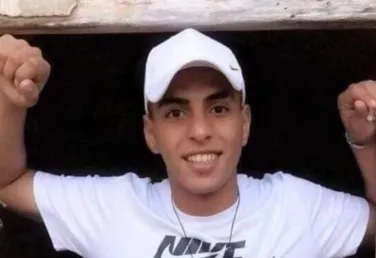
Obeida Akram Jawabra, 17, was a Palestinian youth from the al-‘Arroub refugee camp near Hebron in the southern occupied West Bank. On May 17, 2021, he was shot and killed by Israeli soldiers during a protest at the entrance of the camp against Israel’s ongoing military aggression in Gaza and the West Bank. He was struck in the chest by live ammunition fired from about seventy meters away. Obeida’s death occurred amid widespread demonstrations across Palestinian communities, as rights groups and political organizations called for mass mobilization against the violence.
Obeida Akram Jawabra, a 17-year-old resident of the al-‘Arroub refugee camp north of Hebron, grew up in a densely populated camp under frequent military incursions. On May 17, 2021, during a protest at the camp’s entrance near Route 60—a major West Bank roadway connecting Hebron and Jerusalem—Israeli soldiers opened fire on demonstrators. According to eyewitnesses interviewed by Defense for Children International – Palestine, an Israeli soldier positioned about seventy meters away fired a live round that struck Obeida in the heart, killing him. The protest was part of a wider wave of demonstrations across the West Bank, Gaza, and Palestinian communities inside Israel, sparked by the escalating military offensive on Gaza and increased repression in the West Bank. That same day, the Palestinian Ministry of Health reported a death toll of 21 Palestinians in the West Bank and nearly 200 in Gaza since the beginning of the offensive. Obeida’s killing drew condemnation from human rights groups, who noted the use of excessive force against unarmed demonstrators.
Gunshot wound to the chest from live ammunition fired by Israeli soldiers.
Obeida was fatally struck in the chest by a live bullet fired from a distance of about seventy meters during a protest in al-‘Arroub refugee camp. The shot pierced his heart, causing instant fatal injury. Witnesses confirmed that the soldiers used lethal force despite the absence of an imminent threat, and medical teams were unable to save his life.
This record exists so that Obeida Akram Jawabra, and all who are named in this archive, are never reduced to a number.
More lives from the archive.