At Rest
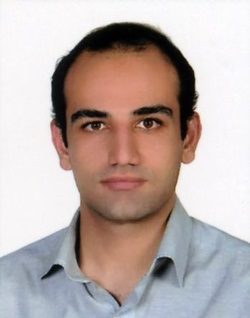
Key Details:
Born: April 21, 1983, Iran
Died: December 27, 2009 (age 26)
Cause of Death: Killed during Ashura protests (post-2009 election crackdown)
Location: Tehran, Iran
Burial: Secretly buried at night under security supervision in Jogheen village, Shahriar
1. Death During Ashura Protests
Protested against alleged fraud in the 2009 presidential election.
Killed during violent clashes with security forces in Tehran.
Official Claim: Police said he "fell from a bridge" (disputed by evidence).
2. Concealment & Discovery of His Body
Family Not Informed: Authorities hid his death for over 2 weeks.
Forensic Report:
Gunshot wound to the forehead (execution-style).
Severe rib injuries from blunt force (likely torture).
Body identified at Kahrizak Detention Center (notorious for abuse).
3. Mother’s Fight for Justice (Shahnaz Akmali)
Publicly rejected police lies, demanding an investigation.
Threatened & Harassed by Iranian authorities for speaking out.
Became a symbol of mothers seeking justice for protest victims.
4. Suspicious Burial
Buried at night under security presence to prevent memorials.
Grave site monitored to stop gatherings.
5. Legacy
Remembered as a martyr of the Green Movement.
His case exposed Iran’s suppression of dissent and cover-ups of killings.
Mother’s activism inspired other families of victims.
Quote from His Mother:
"They killed my son twice—first with bullets, then with lies."
Shot by the Special Unit of the Law Enforcement
Gunshot to forehead (execution-style)
Severe rib injuries (likely torture)
Cover-up:
✔ Authorities claimed he "fell from a bridge"
✔ Body hidden for 16 days
✔ Buried secretly at night under guard
Legacy:
• Symbol of 2009 election protest crackdown
• Mother became prominent justice activist
Mostafa Karim Beigi (April 21, 1983 - December 27, 2009) was a 26-year-old Iranian protester killed during the Ashura Day demonstrations in Tehran. These protests erupted in response to the disputed 2009 presidential election that many Iranians believed was rigged. Beigi became one of the tragic casualties of the government's violent crackdown on dissent.
1. Mother’s Relentless Pursuit of Justice (Shahnaz Akmali) Publicly Challenged Official Lies: Rejected police claims that Beigi "fell from a bridge," presenting forensic evidence of gunshot execution and torture marks. Threatened & Harassed: Faced intimidation by security forces for demanding accountability. Became a Symbol: Turned grief into activism, supporting other families of protest victims. 2. Family’s Ordeal to Recover His Body 16-Day Search: Forced to scour hospitals and morgues while authorities concealed his death. Discovery at Kahrizak: Identified his brutalized body at the notorious detention center (linked to torture deaths). Secret Night Burial: Authorities buried him under security supervision to prevent memorials. 3. Unanswered Demands ✔ Transparency – Full disclosure of killers’ identities ✔ Access to Grave – Still monitored to block mourning gatherings ✔ Justice – No officials held accountable 4. International Recognition UN Human Rights Reports cited Beigi’s case as evidence of protest suppression. Amnesty International condemned the cover-up and torture. Mother’s Defiant Words: "They wanted us to stay silent, but I will shout my son’s truth until my last breath."
This record exists so that Mostafa Karim Beigi, and all who are named in this archive, are never reduced to a number.
More lives from the archive.