At Rest
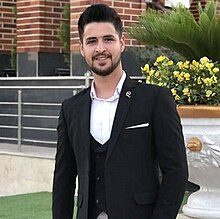
Mohammed Ghobadlou (2000 – January 23, 2024) was an Iranian protester executed for his alleged involvement in the 2022 Mahsa Amini protests. He was accused of running over a special police officer in Parand city, resulting in one death and injuries to five others. Charged with moharebeh ("waging war against God"), he was sentenced to death despite objections from human rights organizations. Ghobadlou, who had been diagnosed with bipolar disorder, was denied proper medical care and legal representation. His execution, carried out alongside Kurdish-Sunni political prisoner Farhad Salimi, sparked international outrage, with critics condemning Iran’s use of executions as a tool of repression.
Early Life & Personal Background
Mohammed Ghobadlou was born in 2000 in Iran. He had been diagnosed with bipolar disorder from the age of 15 and was under psychiatric supervision. Amnesty International and other human rights organizations highlighted that international law prohibits the execution of individuals with mental disabilities, yet Iranian authorities ignored his medical condition. Reports indicate that during his imprisonment, he was denied access to his medications and legal counsel for a month.
Arrest & Charges
During the Mahsa Amini protests in September 2022, Ghobadlou was accused of running over a group of government security forces in Robat Karim, allegedly killing a police officer, Farid Karampour Hassanvand, and injuring five others. He was arrested and tried on October 29, 2022, by Judge Abolqasem Salavati, notorious for issuing harsh sentences in politically motivated cases.
Unfair Trial & Death Sentence
From the start, Ghobadlou’s legal rights were severely violated:
His two chosen lawyers were rejected by the court, and a state-appointed lawyer took over.
His lawyer had no access to case documents, evidence, or forensic reports.
His trial was rushed, and he was sentenced to death in the first court session.
Despite an appeal, Iran’s Supreme Court upheld his execution on December 24, 2022. However, in August 2023, 50 psychiatrists in Iran petitioned for a mental health reassessment, leading Branch 1 of the Supreme Court to annul the death sentence and refer the case to another court. Nevertheless, Iranian authorities proceeded with his execution on January 23, 2024.
Execution & Public Outrage
Before his execution, hundreds of protesters, including his mother, gathered outside Rajayi Shahr Prison in Karaj, demanding a halt to his execution. His case became a symbol of Iran’s crackdown on protesters, alongside fellow detainee Mohammad Boroughani, whose execution was later suspended.
On January 23, 2024, Ghobadlou was executed alongside Kurdish-Sunni prisoner Farhad Salimi, despite protests from international human rights groups, including Amnesty International.
Impact & Legacy
Ghobadlou’s case drew global attention to Iran’s use of executions as an intimidation tactic against dissenters. His unfair trial, denial of medical care, and forced confessions under duress exemplified the systemic repression in Iran’s judicial system. His mother’s public pleas and protests against her son’s execution became a powerful symbol of resistance against state-sponsored executions.
Execution by hanging
sentenced to death ordered by Islamic Regime's Supreme Court
He was charged with murder and Moharebeh ("waging war against God") and sentenced to death. Authorities accused him of ramming his car into Iranian special police units in Parand city, causing the death of Farid Karampour Hassanvand and injuring five other officers
This record exists so that Mohammed Ghobadlou, and all who are named in this archive, are never reduced to a number.
More lives from the archive.