At Rest
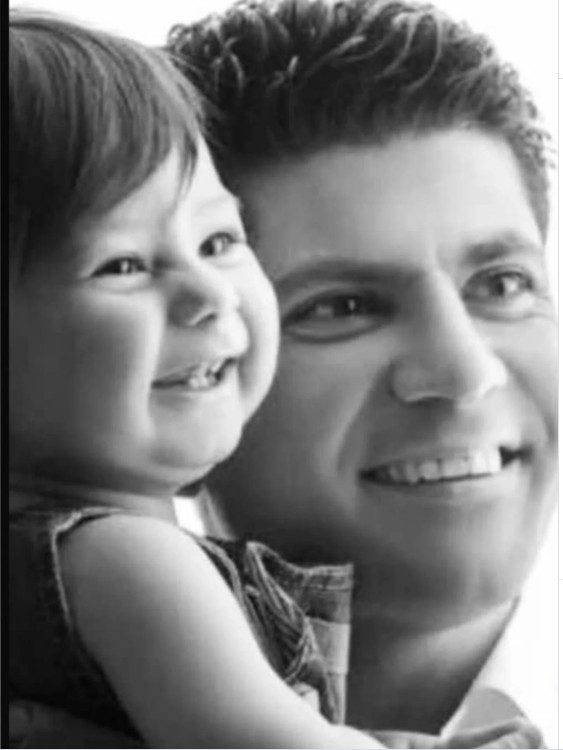
Mohammad Mozafari was a 39-year-old Iranian father of two who lost his life during the brutal crackdown on protests against the Islamic Republic’s rule in January 2026. A resident of Karaj, a city west of Tehran, Mozafari worked as a car repair shop owner and was known locally for his family life and community ties. On January 9, 2026, as nationwide demonstrations against economic hardship and political repression unfolded, he was shot multiple times near his workplace by Bassij militia forces, sustaining fatal wounds. His disfigured body was identified by his relatives after days of uncertainty, and his funeral, held under the shadow of intense state repression and internet blackout, became one of the rare documented moments capturing the human cost of the regime’s violent response
Born circa 1986/1987, Mohammad Mozafari was a husband and father of two young children, ages three and five at the time of his death. Residing in the Shahin Vila district of Karaj, his life centered on his family and his car repair business.
When nationwide protests erupted in early January 2026, sparked by economic despair and long-standing grievances with political repression, Mozafari joined or was present near protest activities. On 9 January 2026, Bassij militia fighters confronted crowds and bystanders with live ammunition. Mozafari was shot at close range near his workplace, reportedly in front of a Basij headquarters, and struck in the head, abdomen, hands, and legs, suffering multiple gunshot wounds. His body was left at the scene and so badly disfigured that his family could only identify him after several days. In the midst of a complete internet blackout and tight security, his burial at Yengi Emam Cemetery outside Karaj was captured by a local photographer who requested anonymity for safety reasons—rare documentation of the regime’s toll on civilian lives. His death reflects the widespread and indiscriminate use of lethal force against protesters and civilians during the crackdown, illustrating how ordinary citizens paid the ultimate price amid repression and attempts to suppress information.
Multiple gunshot wounds inflicted by security forces.
Mohammad Mozafari was killed by multiple gunshot wounds fired by the Basij militia—an ideology-driven paramilitary force loyal to Iran’s Islamic leadership known for enforcing state security policies at protests and civil unrest. According to eyewitness accounts and photographic evidence, he was struck in several parts of his body, including the head, abdomen, arms, and legs, indicating the use of deliberate lethal force rather than crowd-control measures. The Basij are widely reported to have engaged in indiscriminate shooting of demonstrators and bystanders during the January 2026 uprising, contributing to a significant civilian death toll.
This record exists so that Mohammad Mozafari, and all who are named in this archive, are never reduced to a number.
 instagram.com
Mohammad Mozaffari, born in 1986, father of two children.
On Friday in Karaj, the regime’s killers shot him in the head.
Read at source →
instagram.com
Mohammad Mozaffari, born in 1986, father of two children.
On Friday in Karaj, the regime’s killers shot him in the head.
Read at source →
More lives from the archive.