At Rest
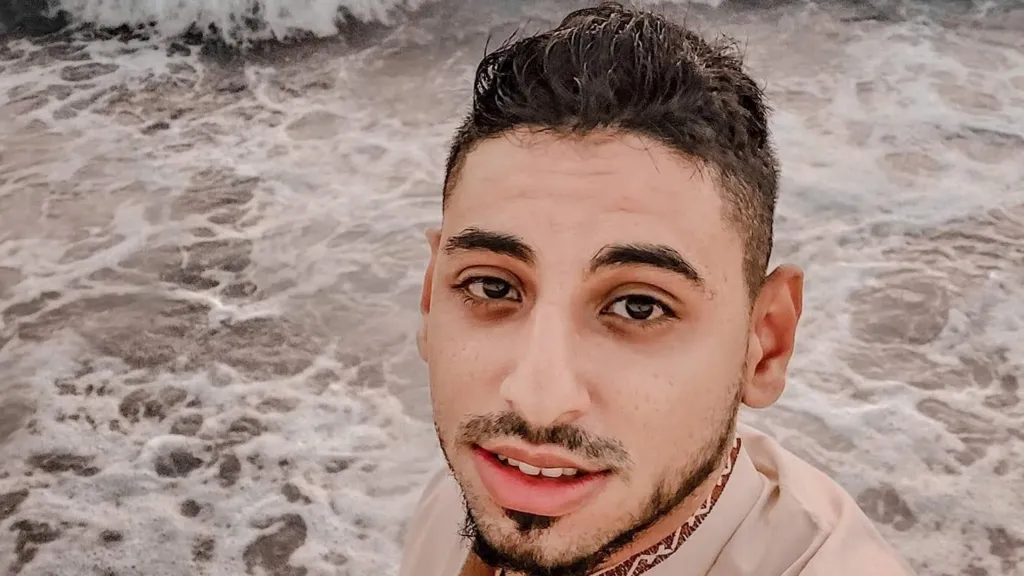
Mohamed Kullab was a 29-year-old Palestinian man from Gaza who was known for his respectful nature and quiet strength. He had been living in a displacement camp in the al-Qadesiya area of western Khan Younis, southern Gaza, after being forced from his home by ongoing conflict. Mohamed was deeply loved by those around him and cared for his younger siblings, who depended on him. In his final days, he continued to show generosity and solidarity, helping others seek food despite the risks. He was killed on 22 July 2024 in an Israeli airstrike while resting alone in his tent.
Mohamed Kullab lived a life of quiet resilience amid years of hardship in Gaza. Described by his brother-in-law, Amar Ragaida, as someone who was “full of life” and respected by everyone, Mohamed avoided trouble and focused on taking care of his family. After being displaced by conflict, he found temporary shelter in a camp for internally displaced Palestinians in al-Qadesiya, western Khan Younis. Despite the worsening humanitarian crisis, Mohamed remained generous. Just one day before he died, he met Amar while they were both searching for food and told him:
“Don’t go on your own, I will try and get you some flour.”
Tragically, the next day, Mohamed was killed in an airstrike while resting alone in his tent. The news came not from official channels, but from friends who phoned his sister to inform her that he had died. He left behind a younger brother and a sister, both of whom relied on him for support, making his loss especially devastating.
Mohamed Kullab was killed in an Israeli airstrike on 22 July 2024.
On the afternoon of 22 July 2024, between 17:00 and 18:00 local time, an Israeli airstrike hit the al-Qadesiya area of western Khan Younis. Mohamed was inside his tent, resting alone, when the strike occurred. It took several hours for family members to confirm his death, after people in the area contacted his sister. The Israel Defense Forces later responded that they take “feasible precautions to mitigate civilian harm,” but would need coordinates to investigate the incident further. Mohamed's killing adds to the growing toll of displaced civilians targeted even in supposedly safer zones.
Mohamed Kullab’s brother-in-law, Amar Ragaida, shared a moving tribute that serves as an implicit plea for protection, accountability, and basic safety for displaced civilians in Gaza. Amar described Mohamed as: “A respectful young guy, who was full of life. He wouldn’t engage himself in any unnecessary issues, and everyone around him loved him.” He recounted their last conversation, when Mohamed offered to help him find food: “Don’t go on your own, I will try and get you some flour.” That moment of generosity and concern just one day before his death captures the essence of Mohamed’s character and the tragic irony of his fate. While Amar didn’t issue a formal plea, his words highlight a deep sense of injustice—that someone so peaceful and helpful could be killed while simply resting in a tent. His statement that Mohamed’s siblings completely depended on him reflects a broader grief shared by many Gazan families: not only are lives being lost, but entire support systems are collapsing under the pressure of war. Through Amar’s voice, the plea becomes clear: Stop the bombing of displaced civilians. Protect the people who have already lost everything. Let families survive together.
This record exists so that Mohamed Kullab, and all who are named in this archive, are never reduced to a number.
More lives from the archive.