At Rest
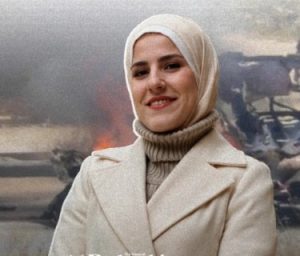
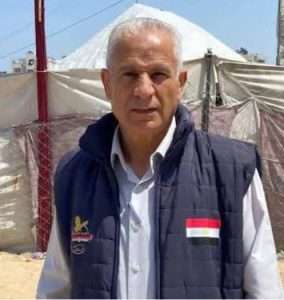
Aziz al-Hajjar (عزيز الهجار) was a Palestinian photojournalist from Gaza who dedicated his career to documenting Israel's brutal impact on Palestinian children. Born and raised in Gaza City's outskirts, he became known for his haunting portraits of youth surviving under siege and bombardment. His work with local media outlets earned him recognition as one of Gaza's most compassionate visual storytellers.
On January 21-22, 2024, al-Hajjar, his wife, and their children were murdered when an Israeli airstrike leveled their home in Bir al-Na'ja. His death marked one of over 220 journalist killings in Gaza since October 2023 - what press freedom groups call the deadliest war for journalists in modern history.
Early Life & Career
Al-Hajjar grew up witnessing multiple Israeli assaults on Gaza, which shaped his determination to document Palestinian resilience. Unlike international journalists who could evacuate, he remained embedded in his community, developing a distinctive visual style that centered children's experiences.
His most powerful work included:
A 2018 series on amputee children from Great March of Return protests
2021 photos of toddlers searching rubble for belongings after bombings
Chronicling malnutrition in Gaza's hospitals during the 16-year blockade
War Documentation & Final Days
When Israel's 2023 bombardment began, al-Hajjar focused on:
Children writing names on their bodies for identification if killed
Kids playing make-believe in bombed-out buildings
The psychological trauma of constant sirens and explosions
Colleagues reported he refused evacuation offers, saying: "If Gaza's children must endure this, the least I can do is ensure their suffering isn't erased."
Legacy & Ongoing Impact
Unfinished Project: He was compiling evidence of Israel's use of white phosphorus on schools when killed.
Posthumous Recognition: The International Federation of Journalists awarded him their 2024 Press Freedom Prize.
Forensic Archives: Colleagues salvaged some of his last memory cards, now part of ICC war crimes evidence.
His surviving relatives (siblings who were abroad during the strike) continue demanding justice, noting Israel has destroyed over 90% of Gaza's media infrastructure since his death. As his brother stated: "Aziz taught us the camera is mightier than the missile - which is exactly why they had to silence his."
Al-Hajjar's work remains crucial to understanding Gaza's humanitarian catastrophe, proving that even in death, his lens still bears witness.
precision Israeli airstrikes on their residential buildings
An Israeli missile or bomb struck his home in Bir al-Na’ja (Gaza City outskirts), collapsing the structure and burying him, his wife, and their children under the rubble.
This record exists so that Aziz al-Hajjar, and all who are named in this archive, are never reduced to a number.
More lives from the archive.