At Rest
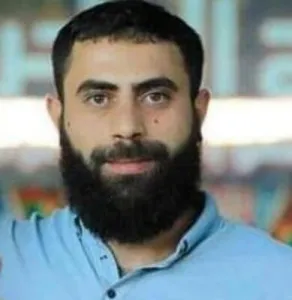
Ali Hasan Harb was a 27-year-old Palestinian man from Iskaka, a village east of Salfit in the central occupied West Bank. Known for his quiet strength and deep connection to his land, Ali was part of a family that had long faced the threat of settler violence. On June 21, 2022, he went to defend his family’s land after hearing that Israeli settlers were attempting to establish a new illegal outpost there. During the confrontation, an Israeli settler stabbed Ali in the heart while Israeli soldiers stood by without intervening. Despite efforts by his family and neighbors to reach him, the soldiers blocked access and Ali lay bleeding for about 30 minutes. He was eventually transported to Yasser Arafat Hospital in Salfit, where he was pronounced dead. His murder came just a year after his cousin, Awad Ahmad Harb, was shot dead by Israeli forces in the same area. Ali’s death reflects the broader pattern of violence and impunity in the occupied West Bank, where Israeli settlers often attack Palestinians under the protection—or indifference—of Israeli military forces.
Ali Hasan Harb was a 27-year-old Palestinian man from the village of Iskaka, located east of Salfit in the central occupied West Bank. Known to his community as peaceful and deeply rooted in his land, Ali was simply defending his family’s property when he was murdered. On June 21, 2022, Ali responded to a call from a local shepherd warning that Israeli settlers had invaded and were attempting to build an illegal outpost on the Harb family land in the al-Harayeq area. Along with other family members and local residents, he rushed to the site to confront the settlers and protect their land. Tragically, during the confrontation, an Israeli settler stabbed Ali directly in the heart while Israeli soldiers stood nearby, reportedly doing nothing to intervene or prevent the attack. Ali bled for over 30 minutes without medical assistance, as the soldiers threatened to shoot anyone who tried to help him. He was eventually carried on foot for over three kilometers before reaching a road where medics took him to Yasser Arafat Hospital in Salfit, but he was pronounced dead shortly after arrival. Ali’s murder is part of a broader and alarming pattern of settler violence in the West Bank, often enabled or ignored by Israeli forces. Ali’s killing was not only a personal tragedy but also a symbol of the impunity with which Israeli settlers operate under military occupation. His death came just over a year after his cousin, Awad Ahmad Harb, was killed by Israeli forces in the same area.
Ali Hasan Harb died from a stab wound to the heart inflicted by an Israeli settler.
Ali was fatally stabbed by an Israeli settler during a land defense confrontation when a group of settlers attempted to install an illegal outpost on the Harb family land. Despite the presence of Israeli soldiers, no one intervened to prevent the stabbing or to assist Ali afterward. Witnesses stated that Ali bled for approximately 30 minutes while soldiers pointed guns at Palestinians attempting to help him. The settlers who carried out the invasion and attack were not arrested, and Israeli authorities later claimed they were “investigating” the incident, though no accountability followed. The stabbing directly pierced Ali’s heart, making the wound instantly life-threatening. Despite being transported for emergency care, he succumbed to his injuries at the hospital.
This record exists so that Ali Hasan Harb, and all who are named in this archive, are never reduced to a number.
More lives from the archive.