At Rest
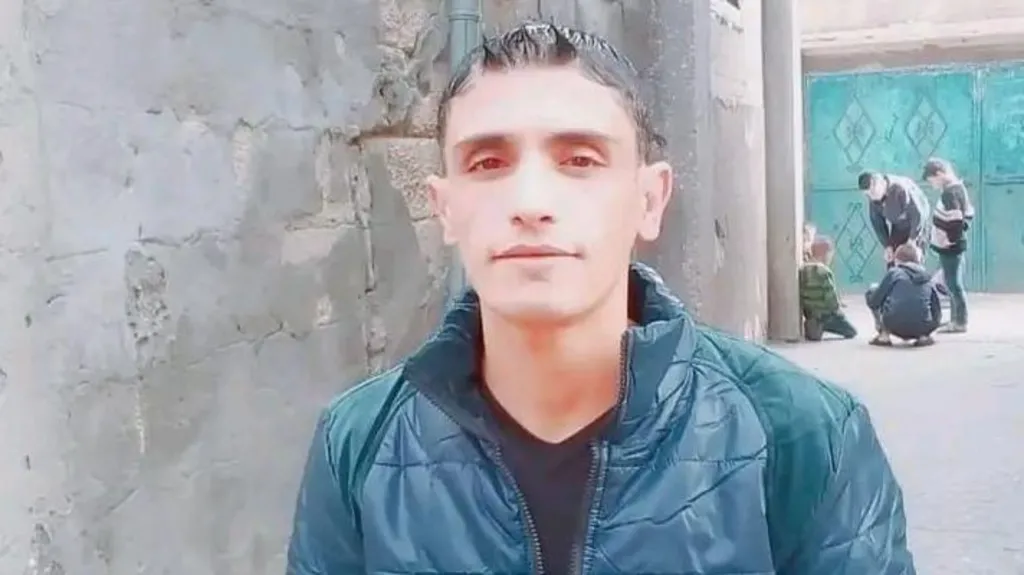
Ahmed Alhasant was a 41-year-old Palestinian man from Deir al-Balah in central Gaza. Known for his strong personality and kind heart, he was a devoted brother, cousin, and member of his community. A football enthusiast and technician by trade, Ahmed installed television satellites before the war disrupted his life. He suffered from diabetes, and in the months leading to his death, extreme food shortages caused by the blockade left him malnourished and increasingly frail. Despite efforts to find medical help, Ahmed died at home on 22 July 2024—his life quietly claimed by hunger, not bombs.
Ahmed Alhasant lived in Deir al-Balah, central Gaza, and was described by his family as a man of dignity, strength, and kindness. He was a football fan, and his profession—installing television satellites—allowed him to contribute to his family and community. However, when the Israeli blockade on aid intensified in March 2024, Ahmed’s life began to unravel. As a diabetic, he depended not only on food but also on stability, both of which disappeared as the humanitarian crisis deepened.
His brother, Yehia Alhasant, said Ahmed’s condition deteriorated slowly and painfully. Unable to get enough to eat, he lost over 45kg (from 80kg to just 35kg). His speech began to slur, and even simple communication became difficult. Hospitals turned him away, saying:
“He needs food, not medicines.”
Ahmed’s cousin, Refaat Alhasant, tried to seek help too, but all efforts failed. Despite his deteriorating health, Ahmed remained a peaceful presence in his home until the end. On 22 July, he died quietly—not from violence, but fr
Ahmed Alhasant died of malnutrition, compounded by untreated diabetes due to prolonged lack of food and medical aid.
Following the tightening of Israel’s blockade in March 2024, Ahmed had little to no access to adequate food or medicine for over three months. His diet was reduced to scraps of bread and occasional canned goods—insufficient for anyone, let alone someone with diabetes. The scarcity of insulin, clean water, and basic nutrition led to rapid weight loss and serious physical decline. Hospitals, overwhelmed and under-resourced, reportedly told his family that treatment was futile without access to food. His condition worsened until he passed away at home, a victim not of direct violence but of systemic deprivation and collapse of healthcare access.
His brother, Yehia Alhasant, described Ahmed's slow decline and emphasized the helplessness the family felt as they watched him waste away: “Malnutrition killed him – day after day, he was getting more and more poorly.” He recounted that Ahmed’s weight dropped from 80kg to 35kg, and that his speech became so slurred they could barely understand him. His cousin, Refaat Alhasant, highlighted the inaction of overwhelmed medical staff: “They would tell us, ‘He needs food, not medicines.’ So we took him back home.”
This record exists so that Ahmed Alhasant, and all who are named in this archive, are never reduced to a number.
More lives from the archive.