At Rest
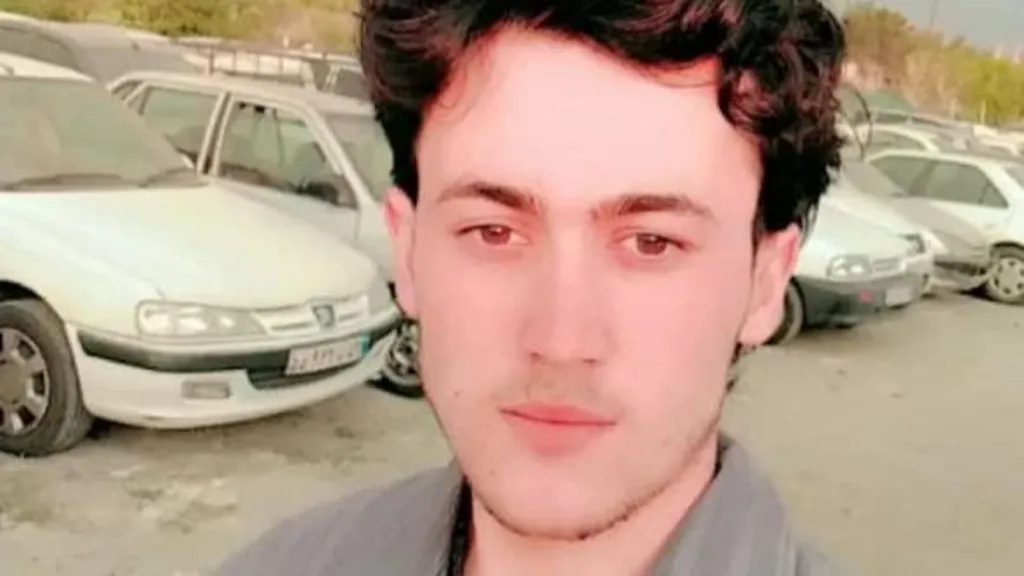
Abdul Wali was an 18-year-old Afghan migrant worker who had traveled to Iran on a work visa to support his family back in central Afghanistan. As the eldest son, he took on the role of the family’s primary breadwinner after his father became injured and unable to work. Despite once dreaming of going to university, Abdul gave up his aspirations to earn money and send it home. He was employed and living at a construction site in north-east Tehran, located near a military facility. Known for his dedication and sense of responsibility, Abdul was not involved in politics—he was simply a teenager trying to help his family survive. His life was tragically cut short when an Israeli airstrike struck the area on June 17, 2025. Though he survived the initial collapse of the building, he succumbed to his injuries hours later in a hospital. His death has deeply affected Afghan communities in Iran and beyond, highlighting the extreme risks faced by migrant workers caught in the crossfire of international conflict.
Abdul Wali was an 18-year-old Afghan teenager who had migrated to Iran on a work visa to help his struggling family in central Afghanistan. With his father injured and unable to work, Abdul became the family’s primary source of income. Though he had once hoped to attend university, he sacrificed his future to send money home.
He was employed on a construction site near a military building in north-east Tehran, where he also lived. His managers had assured him that the site was safe, describing it as a civilian area. Sadly, those assurances did not protect him.
Abdul had no political involvement; he was simply a hardworking youth trying to support his family. His father described him as “not a politician… just a teenager working hard.” He had many Afghan friends in Iran, and his death has shaken Afghan migrant communities both inside and outside the country.
Abdul Wali was killed in an Israeli airstrike
Abdul Wali died as a result of injuries sustained during an Israeli airstrike on June 17, 2025, in north-east Tehran, Iran. The strike targeted a location near a military building, close to where Abdul was living and working at a civilian construction site. When the missiles hit, the building partially collapsed. Although Abdul initially survived the structural damage and was pulled from the debris, he suffered severe internal injuries. He was taken to a nearby hospital but died several hours later from the trauma. His death reflects the devastating impact of military actions on civilian areas and highlights the vulnerability of foreign workers who often live in insecure and high-risk environments with limited protection or recourse.
Abdul Wali’s father, Abdul Ghani, shared his grief and anguish over the loss of his son, emphasizing that Abdul was not involved in politics or conflict — he was simply a teenager working hard to support his family back in Afghanistan. “He wasn’t a politician, he was just a teenager, working hard to support our family back home,” his father said. Injured and unable to work himself, Abdul Ghani had depended on his son’s income for survival. He spoke of Abdul’s abandoned dream of going to university, a dream he sacrificed to send money home. The family is also facing the painful reality that Abdul’s body may not be returned to Afghanistan due to the ongoing conflict. “The body is still at the hospital. He may have to be buried in Iran, at least it’s an Islamic country,” his father added, expressing both sorrow and reluctant acceptance. His death has caused alarm within the wider Afghan community in Iran. Many are now urging their loved ones to return to Afghanistan, even if it means facing poverty, out of fear that staying in Iran could cost them their lives.
This record exists so that Abdul Wali, and all who are named in this archive, are never reduced to a number.
More lives from the archive.