At Rest
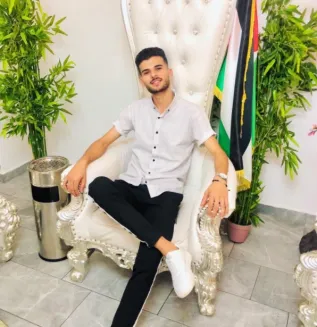
Abdul-Hamid Fawaz Al-Qolaq, 22, was a Palestinian civilian from Gaza City. He was killed on May 16, 2021, during Israeli missile strikes on al-Wehda Street, which targeted residential homes and caused widespread destruction. Abdul-Hamid was among thirteen members of the al-Qolaq family killed in the attacks, reflecting the heavy toll of the offensive on civilians, including women and children.
Abdul-Hamid Fawaz Al-Qolaq, 22, lived in Gaza City, Palestine. On May 16, 2021, he was killed during a series of intense Israeli missile strikes on al-Wehda Street, which were part of a wider military offensive in the Gaza Strip. The bombardment destroyed homes, infrastructure, and civilian facilities, killing at least thirteen members of his family, including children, young adults, and the elderly. The attacks continued for several hours during the night, with Palestinians reporting hearing up to 150 Israeli bombs. Rescue crews managed to pull several bodies from the rubble, but Abdul-Hamid and many others perished instantly. The airstrikes caused massive disruption to daily life, including widespread power outages, forced displacement, and severe strain on medical services, highlighting the devastating impact of the Israeli military operation on Gaza’s civilian population.
He was Killed by Israeli missile strikes targeting residential areas in Gaza City.
Abdul-Hamid Fawaz Al-Qolaq died on May 16, 2021, when Israeli missiles struck the al-Wehda Street area in Gaza City, hitting residential buildings and civilian homes. The missile strikes killed multiple members of his family and neighboring civilians, including children and the elderly. The intensity of the bombardment caused widespread destruction of homes and infrastructure, leaving many victims trapped under rubble. Rescue teams were able to recover some bodies, but Abdul-Hamid was among those who died instantly in the attacks. The offensive exacerbated humanitarian crises, including power shortages, lack of medical supplies, and the forced displacement of thousands of residents.
This record exists so that Abdul-Hamid Fawaz Al-Qolaq, and all who are named in this archive, are never reduced to a number.
More lives from the archive.