At Rest
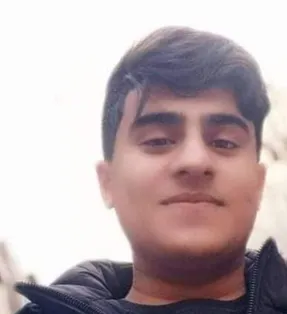
Mohammad Walid al-Farram was a 17-year-old Palestinian youth from Jabalia, in the northern Gaza Strip. He was killed on August 6, 2022, when Israeli missiles struck residential homes in Jabalia during a wave of airstrikes that began a day earlier.
Mohammad Walid al-Farram, just 17 years old, was a resident of Jabalia, a densely populated town and refugee camp in the northern part of the Gaza Strip. He lost his life on August 6, 2022, when Israeli forces launched missile strikes on residential neighborhoods in Jabalia. The attack occurred amid a broader escalation that began on August 5, during which Israeli missiles and artillery targeted various locations across Gaza. Mohammad was one of several civilians killed when missiles hit homes in his neighborhood, causing widespread destruction and casualties. According to reports from the Palestinian Health Ministry, he was among the 24 Palestinians killed in the first two days of the bombardment, which also included six children and left more than 200 people wounded—many of them women and children. Mohammad’s life, like those of many young Palestinians in Gaza, was marked by hardship, limited freedom, and the constant threat of violence. His untimely death highlights the devastating human cost of recurring
Mohammad Walid al-Farram died from injuries sustained after an Israeli missile strike targeted homes in Jabalia, Gaza.
Mohammad Walid al-Farram, aged 17, died as a result of injuries inflicted by an Israeli missile strike on August 6, 2022, which targeted residential buildings in Jabalia, northern Gaza Strip. The missile hit densely populated civilian areas, causing significant destruction to homes and trapping residents under rubble. Mohammad was inside or near one of the homes struck during the attack, and the blast caused severe physical trauma, including possible blunt force injuries from collapsing structures and shrapnel wounds from the explosion. The intensity of the missile strike and the ensuing destruction led to fatal injuries from which he could not recover. His death is part of the broader pattern of civilian casualties during escalations in Gaza, where homes and neighborhoods become battlegrounds and non-combatants face extreme risks.
This record exists so that Mohammad Walid al-Farram, and all who are named in this archive, are never reduced to a number.
More lives from the archive.