At Rest
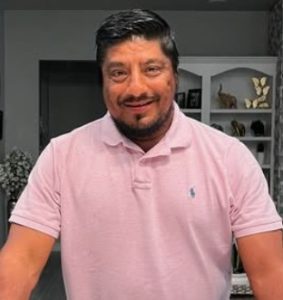
Mohammed Ruhi Hammad, a 30-year-old Palestinian from the town of Silwad, northeast of Ramallah, was fatally shot by Israeli forces on May 14, 2021. The Israeli military alleged that he attempted a car-ramming attack near the settlement of Ofra, adjacent to Silwad. However, his family and community members dispute this claim, emphasizing his non-political background and personal aspirations.
Mohammed Ruhi Hammad, a 30-year-old Palestinian from the town of Silwad, northeast of Ramallah, was fatally shot by Israeli forces on May 14, 2021. The Israeli military alleged that he attempted a car-ramming attack near the settlement of Ofra, adjacent to Silwad. However, his family and community members dispute this claim, emphasizing his non-political background and personal aspirations.
Mohammed hailed from the Hammad family, one of the founding lineages of Silwad, a town with deep-rooted traditions and a history of resilience. He worked as a construction worker, known for his dedication and commitment to building a future for himself and his loved ones. At the time of his death, Mohammed was preparing for his wedding and had recently completed constructing a home intended for his future family.
On the second day of Eid al-Fitr, after sharing breakfast with his mother, Mohammed left their home. A few hours later, his mother received a call from an Israeli officer informing her of her son's death. The Israeli army claimed that Mohammed had attempted to carry out a car-ramming attack, leading to his shooting near the entrance of Silwad. However, his family and community members question this narrative, highlighting his non-political background and personal aspirations.
Shot and killed after allegedly attempting a car-ramming; was a construction worker and engaged to be married.
The family of Mohammed Ruhi Hammad, particularly his mother, Fatima, has expressed deep grief, frustration, and a yearning for justice following his killing by Israeli forces on May 14, 2021. Her pleas have focused on three main points: the pain of sudden loss, the denial of burial rights, and the call for recognition of her son’s humanity. Fatima, Mohammed’s mother, was among the first to be contacted after his killing—but not by a friend or neighbor. Instead, it was an Israeli officer who answered her son’s phone, coldly informing her that the army had killed him. Her sorrow was compounded when Israeli authorities withheld his body, preventing the family from burying him in the grave they had prepared. “He had breakfast with me that morning,” she said. “He was preparing for his wedding. He had just finished building his home. What attack? What threat? He wanted a future.” – Fatima Hammad, as quoted by Middle East Eye She frequently visited his empty grave, mourning without closure, bringing flowers and reciting prayers beside the soil that should have embraced her son.
This record exists so that Mohammed Ruhi Hammad, and all who are named in this archive, are never reduced to a number.
More lives from the archive.