At Rest
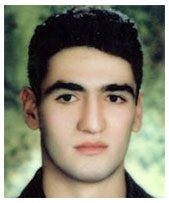
Saeed Zeinali (born 22 September 1976) was a student at Tehran University who was arrested on 10 July 1999, five days after the Iran student protests. At 23 years old, he was detained in the notorious Evin Prison, and after a phone call with his family three months later, he disappeared without a trace. Security forces and prison officials have refused to provide any information about him. His mother, Akram Neghabi, has continued to seek answers, and in 2019, Amnesty International marked the 20th anniversary of his disappearance, calling for justice and truth regarding his fate.
Saeed Zeinali was born on 22 September 1976 and was a student at Tehran University. He became a notable figure during the 1999 Iran student protests, which were sparked by growing discontent over issues such as press censorship, government corruption, and the lack of political freedoms. The protests took place in the context of rising student activism and opposition to the government's policies.
On 10 July 1999, just five days after the protests began, Saeed Zeinali was arrested by security forces. He was 23 years old at the time and had become involved in the protests as part of his activism for greater freedoms in Iran. He was reportedly detained and taken to Evin Prison, one of the most notorious prisons in Iran, which is known for housing political prisoners and activists.
Three months after his arrest, Zeinali was permitted to make a brief phone call to his family. However, following that call, he disappeared, and no further information about his whereabouts or his condition was disclosed. Despite repeated inquiries from his family, security forces and prison officials refused to provide any information regarding his status. His case has been a subject of controversy, with many speculating that his disappearance was a result of government efforts to silence political opposition.
For years, his family, especially his mother, Akram Neghabi, has campaigned tirelessly to find out what happened to Saeed. They have faced significant obstacles in their search for justice, as Iranian authorities have remained uncooperative. In 2013, on the anniversary of his disappearance, Akram Neghabi publicly stated that a judiciary official had promised to help her locate Saeed, but no progress was made.
In 2019, two decades after his forced disappearance, the international human rights organization Amnesty International issued a statement, drawing attention to the case of Saeed Zeinali. Amnesty condemned his enforced disappearance and reiterated its calls for the Iranian government to provide information about his fate. The organization expressed solidarity with Zeinali's family, urging Iranian authorities to reveal the truth and ensure justice for the suffering his family endured.
Despite these efforts, Saeed Zeinali’s whereabouts remain unknown, and his case has become a symbol of the broader issues of political repression and human rights abuses in Iran. His family continues to seek answers, hoping for closure and justice after many years of uncertainty and distress.
The cause of Saeed Zeinali's death remains unknown, as he disappeared after his arrest in 1999. No official information has been provided about his fate or any potential death.
Iran student protests
The surviving relatives of Saeed Zeinali, particularly his mother, Akram Neghabi, have consistently called for justice and information about his whereabouts and fate. In 2013, on the anniversary of the student protests, Akram Neghabi shared that a judiciary official had promised to help her uncover the truth about her son's disappearance. Despite years of silence and the refusal of security forces and prison officials to provide any information, the Zeinali family continues to seek answers. Amnesty International has also shown support, standing with the family to demand truth and justice for Saeed Zeinali, who remains forcibly disappeared.
This record exists so that Saeed Zeinali, and all who are named in this archive, are never reduced to a number.
More lives from the archive.