At Rest
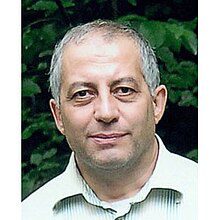
Born: March 19, 1959
Died: June 10, 2011 (aged 52)
Profession: Economist, journalist, social-political activist
Nationality: Iranian
Hoda Rezazadeh Saber was a prominent Iranian intellectual, journalist, and activist dedicated to social justice. He was a leading figure at the reformist magazine Iran-e Farda and later initiated youth employment programs in impoverished regions such as Sistan and Baluchestan. A member of Iran’s nationalist-religious political movement, he faced repeated arrests and lengthy imprisonments from 2000 onward. Saber died in custody after a hunger strike protesting the death of fellow activist Haleh Sahabi and state repression. His death, reportedly caused by delayed medical care during a heart attack, drew international condemnation and symbolized the Iranian regime's crackdown on peaceful dissent.
Hoda Rezazadeh Saber was an influential Iranian economist, journalist, and social-political activist, born on March 19, 1959, in Iran. A member of the nationalist-religious movement, Saber became widely known for his unwavering commitment to social justice, freedom of expression, and human rights under the Islamic Republic.
Saber played a central role in Iran-e Farda (Iran of Tomorrow), a widely read and respected reformist magazine published from 1992 until it was shut down in 2000. As a prominent voice in Iran's intellectual circles, he consistently called for democratic reforms, transparency, and the protection of civil liberties. Through his writings and activism, Saber inspired a generation of Iranian reformists and was deeply respected for his moral clarity and courage.
In addition to his work in media and civil society, Saber was involved in grassroots socio-economic development projects. He worked in Sistan and Baluchestan, one of Iran’s poorest and most marginalized provinces, to combat poverty and drug abuse. There, he launched employability-training programs aimed at providing opportunities for disadvantaged youth caught in the cycle of addiction and unemployment.
Saber was repeatedly arrested for his peaceful activism, often alongside fellow reformists Reza Alijani and Taghi Rahmani. His first arrest occurred in January 2000. Over the next decade, he faced multiple imprisonments, harsh sentences, solitary confinement, and restrictions on his freedom of speech. Despite appealing several verdicts, he remained entangled in Iran’s opaque and arbitrary legal system. In 2010, he was re-arrested to serve a ten-year prison sentence related to earlier charges, even though his appeal had not been processed—a blatant violation of legal norms.
In June 2011, Saber began a hunger strike alongside fellow prisoner Amir Khosrow Dalirsani in protest of the death of Haleh Sahabi, a fellow activist who died following a scuffle with security forces at her father’s funeral. Saber’s protest was both political and moral, highlighting the inhumane treatment of dissidents and the increasing brutality of the Iranian regime.
While on hunger strike in Evin Prison, Saber suffered from severe chest pain but was reportedly denied medical treatment for over six hours, during which he cried out in agony. His cellmates later testified that prison authorities ignored his worsening condition. Saber was finally transferred to Tehran’s Modarres Hospital, but by then, it was too late. He died of a heart attack on June 10, 2011, at the age of 52. The hunger strike had weakened his body and made life-saving surgery impossible.
His death sparked widespread condemnation. Reporters Without Borders and human rights organizations accused the Iranian authorities of gross negligence and culpability, not only for failing to provide timely medical care but for imprisoning him on politically motivated charges.
Hoda Saber left behind a grieving family, including his wife Farideh Jamshidi, who accused the regime of covering up the circumstances of his death. His sister Firouzeh Saber publicly questioned why he was still imprisoned without a fair trial, and why his cries for help were ignored.
Saber’s life and death became a symbol of the struggles of Iran’s peaceful reformists. He is remembered not only for his intellectual brilliance and devotion to social justice, but for his ultimate sacrifice—a man who gave his life in protest against oppression and for the dream of a freer, more just Iran.
hunger strike in prison protesting the death of Haleh Sahabi.
Hoda Rezazadeh Saber died of a heart attack on June 10, 2011, while on a hunger strike in Tehran's Evin Prison. He was protesting the death of fellow activist Haleh Sahabi. Despite severe chest pain, prison officials delayed medical help for six hours. Doctors later said he could have been saved with earlier treatment. His death was widely blamed on government negligence and repression.
protesting the death of Haleh Sahabi.
Hoda Saber's surviving relatives, particularly his wife Farideh Jamshidi and his sister Firouzeh Saber, expressed deep distress over the circumstances surrounding his death. Jamshidi accused prison authorities of negligence, stating that if her husband had received timely medical treatment, he could have been saved. She was unaware of his death until the hospital informed a friend two days later. Firouzeh Saber also voiced concerns, questioning why her brother was imprisoned without trial, why he went on hunger strike, and why authorities delayed medical attention for hours after he complained of chest pains.
This record exists so that Hoda Saber, and all who are named in this archive, are never reduced to a number.
More lives from the archive.