At Rest
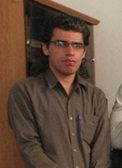
Sane Jaleh (1985–2011) was an Iranian Kurdish Sunni Muslim student studying dramatic arts at Tehran University of Arts. He was killed during February 14, 2011 protests in support of Arab Spring uprisings. His death became highly controversial as both government and opposition groups claimed him as their own. The Iranian government initially portrayed him as a Basij militia member killed by opposition forces, while classmates and opposition sources maintained he was an anti-government protester. The conflicting narratives, questionable evidence of his Basij membership, and subsequent suppression of memorial events made his case emblematic of Iran's political tensions during this period.
Born May 22, 1985 in Paveh, Kermanshah Province, Jaleh came from Iran's Kurdish Sunni minority. As a third-year theater and cinema student, he had shown artistic tendencies that sometimes conflicted with government orthodoxy, including contributing to dissident publications and appearing in a banned short film ("A Brick in the Wall").
The circumstances of his February 14, 2011 death during Tehran protests became immediately politicized. Government sources:
First claimed he was a devout student
Then asserted he was a Basij member
Later alleged he worked as a Kayhan newspaper informant
Evidence for these claims was contradictory, including a disputed Basij ID card that appeared posthumously.
Opposition sources countered that:
He had worked with Mousavi's campaign
Appeared in photos with reformist figures
His artistic works aligned with dissident views
His Kurdish Sunni background made government support unlikely
Aftermath included:
Government-controlled funeral processions
Suppression of student-led memorials
Arrests of mourners and Jaleh's family members
Nationwide protests commemorating his death
Additional protester deaths during memorial events
Jaleh's case became internationally notable for:
Mirroring the disputed narrative around Neda Agha-Soltan's 2009 death
Demonstrating government control over victim narratives
Highlighting tensions between Iran's youth and the establishment
Illustrating the risks faced by dual-minority (Kurdish/Sunni) activists
His legacy remains contested, symbolizing both government attempts to control protest narratives and the persistence of opposition movements in Iran. The case continues to be cited in discussions about artistic freedom, minority rights, and state violence in Iran.
shot dead
He was one of two students killed during February 14, 2011 protests in Tehran, where demonstrators expressed solidarity with Egyptian and Tunisian uprisings that toppled dictators Hosni Mubarak and Zine El Abidine Ben Ali.
For support of Egyptians and Tunisians
After Sane Jaleh's death in 2011 protests, his family faced brutal suppression: Brother exposed lies: Told VOA Persian his brother wasn't Basij, revealed fake ID was created posthumously Immediate retaliation: Arrested after interview, jailed in Paveh prison Forced compliance: Family threatened to endorse regime's false narrative Stolen mourning: Basij violently disrupted memorials, controlled funeral
This record exists so that Sane Jaleh, and all who are named in this archive, are never reduced to a number.
More lives from the archive.